
 Business License

Zirconium Pretreatment: A Complete Guide to Chrome-Free Conversion Coatings
What if the same environmental regulation that forced your competitor to stop using hexavalent chromium also opened a faster, cooler, and less wasteful pretreatment process? Across Europe, North America, and increasingly Asia, coating plants are facing limits on chromium-based passivation and phosphate sludge disposal. Zirconium pretreatment has emerged as the leading chrome-free alternative for manufacturers who still need adhesion and corrosion resistance.
The zirconium pretreatment process applies a thin zirconium oxide conversion coating to metal surfaces before painting or powder coating. It operates at ambient or low temperature, produces no phosphate sludge, and contains no regulated heavy metals. For most appliance, automotive, and industrial applications, it delivers adhesion and salt-spray performance close to traditional zinc phosphate. It also simplifies wastewater handling and reduces energy cost.
In this guide, you will learn exactly how zirconium conversion coatings work. We will compare zirconium vs phosphating, walk through the application process, review the process parameters that control coating quality, and identify where zirconium pretreatment makes sense for your coating line.
Want to see whether a chrome-free pretreatment system fits your parts? Request a Free Line Design Drawing and our engineers will compare zirconium, phosphate, and passivation options against your specification.
What Is Zirconium Pretreatment?
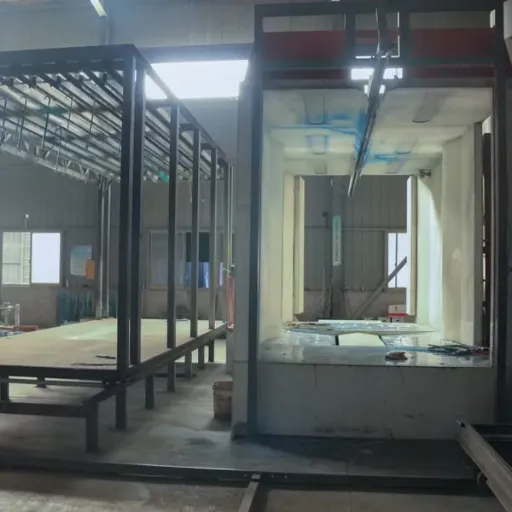
Zirconium pretreatment is a chemical conversion process that deposits a thin zirconium oxide film on metal surfaces to improve paint adhesion and corrosion resistance. It operates at ambient temperature, produces no phosphate sludge, and contains no regulated heavy metals.
Zirconium pretreatment is a chemical conversion process that deposits a thin layer of zirconium oxide on a metal surface. The workpiece is cleaned and then exposed to a dilute acidic solution containing dissolved zirconium compounds, fluoride, and other additives. A controlled reaction forms an insoluble zirconium oxide layer that becomes chemically bonded to the substrate.
The resulting zirconium conversion coating is extremely thin, typically measured in nanometers rather than micrometers. Unlike zinc phosphate, it does not produce a thick crystalline layer. Instead, it creates a dense, chemically active film that promotes adhesion between the metal and the subsequent paint, powder, or e-coat layer.
The process is used primarily on steel, zinc-coated steel, and aluminum. It is especially popular in automotive, appliance, and general industrial finishing where environmental regulations restrict chromium passivation or where phosphate sludge handling has become costly. For a broader overview of pretreatment stages, see our surface pretreatment guide. Most modern surface pretreatment systems can be configured to run zirconium chemistry with minor tank and dosing modifications.
Why Zirconium Pretreatment Is Gaining Ground
Environmental pressure is the main driver behind the shift to chrome-free pretreatment. Zirconium chemistry is now the most widely adopted chrome-free pretreatment technology for coating lines that previously relied on phosphating or chromium passivation.
Hexavalent chromium has been restricted or banned across Europe, North America, and parts of Asia because of its toxicity and carcinogenic properties. Traditional phosphating generates phosphate sludge and produces rinse water that must be treated before discharge. Both processes add regulatory burden and operating cost.
When Lars Jensen took over environmental compliance at a Danish appliance manufacturer in 2022, his plant faced new restrictions on chromium discharge from the passivation stage. Switching to a zirconium oxide coating eliminated the chromium-bearing chemistry entirely. Wastewater testing showed heavy metal concentrations well below the new limits, and the plant avoided a costly end-of-pipe treatment upgrade.
The operational benefits are also significant. Zirconium baths operate at room temperature or slightly above. This eliminates the heating energy required for zinc phosphating. The process has fewer stages than zinc phosphate, reducing tank footprint and cycle time.
Sludge generation is minimal. The coating is thin, and the chemistry does not precipitate heavy phosphate crystals.
How Zirconium Conversion Coatings Work
The chemistry of zirconium pretreatment differs fundamentally from phosphating. In phosphating, acid etches the metal and releases metal ions that combine with phosphate to form a crystal layer. In zirconium conversion coating, the zirconium species in solution react directly with the metal surface to form a zirconium oxide film.
Fluoride in the bath plays a key role. It removes the native oxide layer on aluminum and activates the surface on steel and zinc-coated substrates. Once the surface is activated, zirconium ions deposit as a hydrated zirconium oxide film. Additives such as silanes, titanium compounds, or polymers may be included to improve corrosion resistance, adhesion, or bath stability.
The coating thickness is typically 10 to 100 nanometers. Because the film is so thin, it does not hide surface defects or roughness the way a heavy zinc phosphate coating can. Substrate cleanliness is therefore critical. Any oil, oxide, or contamination left on the surface will cause poor adhesion or spotty coating.
Zirconium vs Phosphating: Key Differences
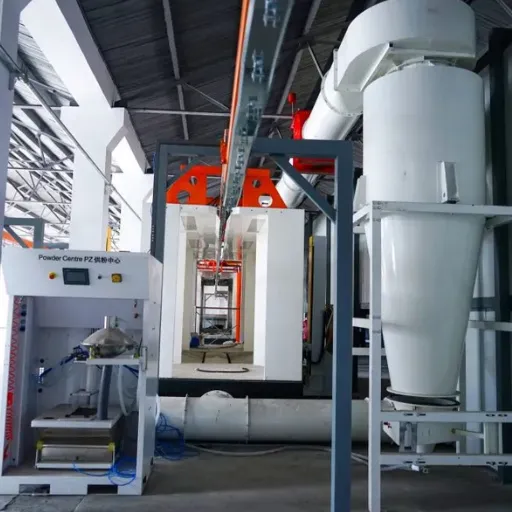
Manufacturers regularly compare zirconium vs phosphating when choosing a pretreatment process. Each has strengths and weaknesses.
Coating Thickness and Structure
Zinc phosphating produces a crystalline coating measured in grams per square meter. The crystals provide mechanical anchoring for paint and powder. Zirconium pretreatment produces a nanometer-thin, amorphous oxide film. The adhesion mechanism is more chemical than mechanical.
Process Complexity
Zinc phosphating typically requires degreasing, rinsing, activation, phosphating, post-rinse, passivation, and drying. Zirconium pretreatment can often be reduced to degreasing, rinsing, zirconium treatment, a final rinse, and drying. Fewer tanks mean lower capital cost and smaller floor space.
Operating Temperature
Zinc phosphating usually runs at 40°C to 70°C. Zirconium baths typically run at ambient temperature or up to 40°C. The energy savings are meaningful for high-volume lines.
Sludge and Waste
Phosphating produces phosphate sludge that must be removed and disposed of. Zirconium chemistry generates very little sludge. Wastewater treatment is generally simpler because the bath does not contain zinc, nickel, or chromium.
Corrosion Performance
On most metal substrates, zirconium conversion coating provides corrosion resistance comparable to iron phosphate. It is also acceptable for select zinc phosphate applications. However, for the most demanding automotive underbody or structural components, zinc phosphate plus e-coat may still outperform zirconium.
| Feature | Zirconium Pretreatment | Zinc Phosphating |
|---|---|---|
| Coating type | Zirconium oxide film | Zinc phosphate crystals |
| Typical thickness | 10–100 nm | 1.5–4.5 g/m² |
| Operating temperature | Ambient to 40°C | 40°C to 70°C |
| Number of stages | 4–5 | 6–8 |
| Sludge generation | Very low | Moderate to high |
| Heavy metals | None | Zinc, often nickel or manganese |
| Salt-spray performance | Good to very good | Excellent |
| Best applications | Appliances, general industry, aluminum | Automotive, heavy corrosion |
This zirconium vs phosphating comparison summarizes the key trade-offs. Use it as a starting point when evaluating pretreatment chemistry for your coating line.
Zirconium vs Chromium Passivation
Before zirconium became widely adopted, most coating lines used hexavalent chromium passivation after phosphating to seal the coating and improve corrosion resistance. Trivalent chromium and zirconium-based sealers have largely replaced hexavalent chromium across most regions.
Zirconium oxide coating can serve as both the conversion coating and the final seal in a single stage. This eliminates the separate passivation step and removes chromium from the process entirely. The Chemical Coaters Association International tracks regulatory developments around chrome-free pretreatment and provides guidance for compliant line conversions.
For manufacturers exporting to the European Union or supplying automotive OEMs with restricted substance lists, switching to zirconium pretreatment can simplify compliance. REACH regulations and many corporate material specifications now limit or prohibit hexavalent chromium in surface treatments.
Stages of a Zirconium Pretreatment Process
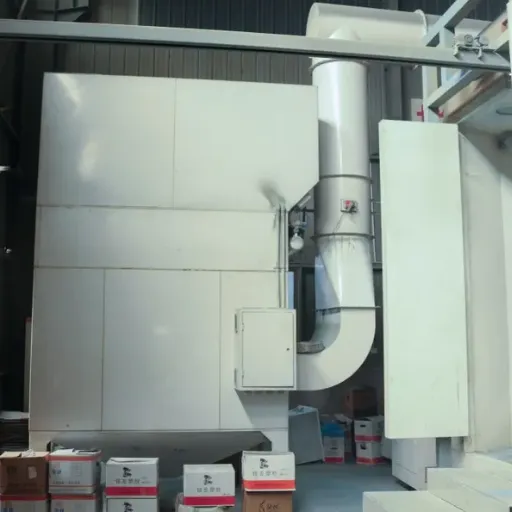
A production zirconium pretreatment line follows a clean, treat, rinse, and dry sequence. Because the chemistry is more forgiving than phosphating, the line can usually be shorter.
Stage 1: Degreasing
Organic soils must be completely removed before zirconium treatment. Alkaline cleaners are the standard choice, operating between 50°C and 70°C. On lightly soiled parts, a milder cleaner may be sufficient. Any oil left on the surface will prevent the zirconium film from forming.
Stage 2: Water Rinse
A clean water rinse removes residual alkaline chemistry and lifted soils. A two-stage cascading rinse is common in high-quality operations. The final rinse should have low conductivity to avoid carrying ionic contaminants into the zirconium bath.
Stage 3: Zirconium Treatment
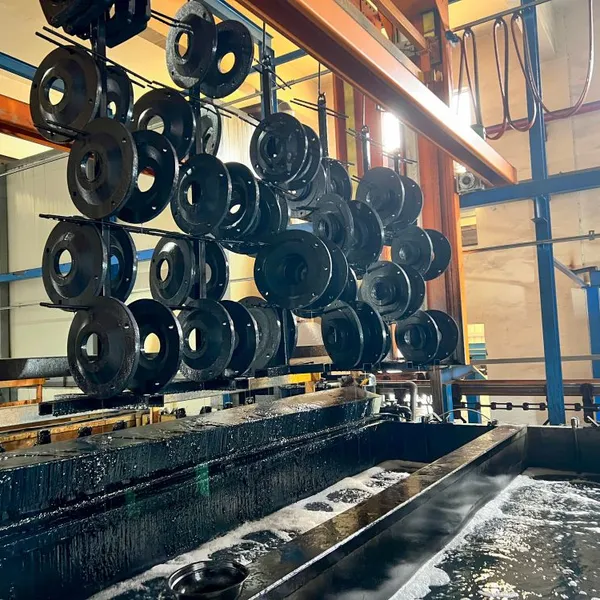
This is the core stage. The workpiece enters the zirconium bath, which contains zirconium salts, fluoride, pH buffers, and performance additives. The bath is typically operated between 20°C and 40°C. The pH usually sits between 3.5 and 5.5, depending on the supplier.
Dwell time ranges from 30 seconds in spray systems to 2 minutes in immersion systems. Spray application is common for sheet metal and flat parts. Dip application is preferred for complex geometries and internal surfaces.
Stage 4: Final Rinse
A deionized water rinse removes residual zirconium chemistry and soluble salts. This step is critical because unreacted fluoride or acid left on the surface can interfere with coating cure or cause blistering. Conductivity monitoring helps maintain rinse quality.
Stage 5: Drying
The final stage removes moisture before powder, paint, or e-coat application. Drying temperatures typically range from 80°C to 120°C, lower than many phosphating drying tunnels. The thin zirconium film dries quickly, but heavy workpieces still require enough dwell time to reach all surfaces.
Zirconium Pretreatment Process Parameters
Consistent zirconium conversion coating quality depends on controlling a few key variables. A well-run pretreatment system monitors these parameters continuously.
Bath Concentration
Zirconium concentration determines how much coating forms. Low concentration produces thin, discontinuous films. High concentration can cause powdery or streaky coatings and increase chemical cost. Most suppliers specify a narrow operating range measured by titration or refractive index.
pH
Bath pH affects deposition rate and film composition. Most zirconium baths operate between pH 3.5 and 5.5. A pH outside this range can reduce adhesion or corrosion performance. Automatic pH control with acid or base dosing is standard on production lines.
Fluoride Content
Fluoride is essential for surface activation, especially on aluminum. Too little fluoride results in poor coating formation. Too much fluoride can etch the substrate excessively and shorten bath life. Fluoride is typically monitored by ion-selective electrode or titration.
Temperature
Zirconium baths usually run at ambient temperature or up to 40°C. Higher temperatures can accelerate coating formation but may also increase fluoride consumption and bath instability. Temperature control is simpler than for heated phosphate baths.
Dwell Time
Dwell time must be long enough to form a complete film but not so long that the coating becomes powdery. Typical spray dwell times are 30 to 60 seconds; immersion dwell times are 1 to 3 minutes. Part geometry and line speed determine the actual value.
Rinse Quality
Final rinse conductivity is a leading indicator of surface cleanliness. High conductivity means chemical carryover that can cause defects. Deionized water and regular resin bed maintenance are essential for high-quality results.
Common Zirconium Pretreatment Defects and How to Prevent Them
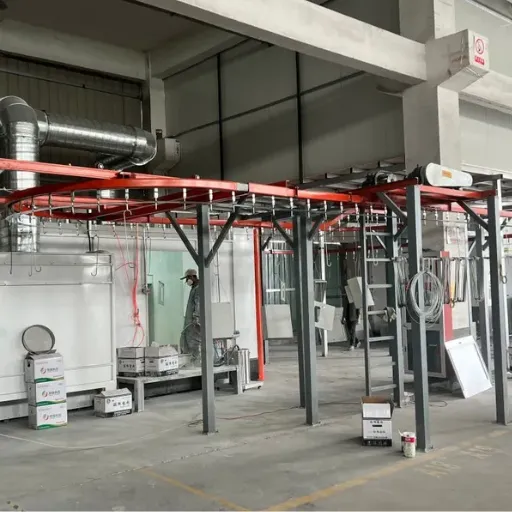
Even a well-designed zirconium pretreatment process can produce defects if parameters drift. Recognizing the symptoms early prevents them from becoming coating failures.
Spotty or Bare Areas
Bare spots usually indicate incomplete degreasing, fluoride imbalance, or insufficient dwell time. Check cleaner concentration and temperature first. Then verify zirconium concentration, pH, and fluoride levels.
White Residue or Streaking
White residue often results from excessive zirconium concentration, high pH, or poor rinse quality. Reduce concentration, verify pH control, and check final rinse conductivity. Make sure parts drain properly between stages.
Poor Paint Adhesion
If paint peels or fails cross-hatch testing, the zirconium film may be too thin, contaminated, or dehydrated. Verify dwell time and concentration. Check that the drying stage is not overheating the film before coating application.
When the quality team at an Italian radiator manufacturer switched from iron phosphate to zirconium, they initially saw adhesion failures on galvanized steel. The problem was not the zirconium chemistry but the final rinse. The deionizer had not been regenerated, so rinse conductivity was three times the recommended limit. Once the water quality was restored, cross-hatch adhesion passed on the first test.
Advantages of Zirconium Pretreatment
Manufacturers choose zirconium pretreatment when environmental compliance, energy savings, and process simplicity are priorities.
Chrome-Free and Heavy-Metal-Free
Zirconium chemistry contains no chromium, nickel, zinc, or manganese. This simplifies regulatory compliance and reduces the hazardous waste burden.
Low Operating Temperature
Ambient or near-ambient operation eliminates heating energy and reduces cooling load on the plant. For high-volume lines, the energy savings can be substantial.
Minimal Sludge
The thin zirconium oxide coating generates very little sludge compared to phosphate coatings. Tank cleaning intervals are longer, and waste disposal costs are lower.
Fewer Process Stages
A zirconium line can typically replace a multi-stage phosphate and passivation sequence with fewer tanks. This reduces capital cost, floor space, and cycle time.
Good Performance on Aluminum
Zirconium pretreatment performs well on aluminum extrusions, castings, and zinc-coated steel. The fluoride activation step removes the native aluminum oxide and promotes uniform coating formation.
Limitations of Zirconium Pretreatment
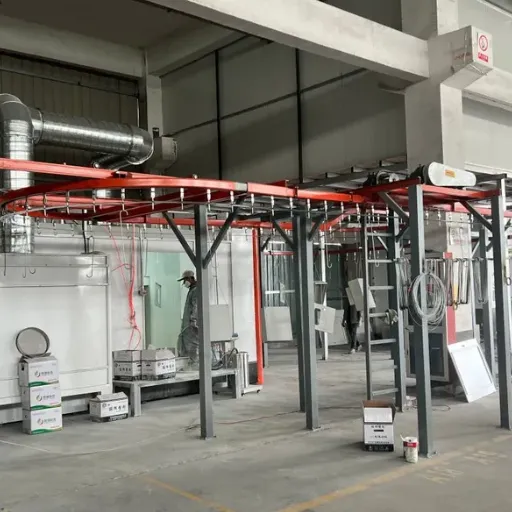
Zirconium is not the right choice for every application. Understanding its limitations prevents specification errors.
Lower Mechanical Anchoring
The nanometer-thin film provides less mechanical anchoring than a heavy zinc phosphate crystal layer. On parts with severe forming or heavy mechanical stress, zinc phosphate may still be preferred.
Surface Sensitivity
Because the coating is thin, it does not hide surface defects. Rust, mill scale, or heavy oil must be removed completely before treatment.
Corrosion Performance Limits
For the most demanding automotive structural or underbody applications, zinc phosphate with cathodic e-coat generally provides longer salt-spray life. Zirconium is usually specified where performance requirements are moderate to high but not extreme.
Bath Chemistry Control
Although the process has fewer stages, the chemistry must still be controlled precisely. Fluoride and pH require regular monitoring and automatic dosing to maintain consistent results.
Applications and Industries
Zirconium pretreatment is used wherever manufacturers need a chrome-free, low-sludge pretreatment with good adhesion and corrosion resistance.
Appliances and HVAC
Appliance panels, washing machine drums, air-conditioner housings, and heat exchangers frequently use zirconium conversion coating before powder coating. The process handles aluminum and zinc-coated steel well and supports the bright white and metallic finishes common in appliance markets. When you are ready to integrate pretreatment with application, explore our powder coating production line options. The Powder Coating Institute publishes technical resources on pretreatment and application best practices.
Automotive Components
Zirconium is used for interior brackets, trim pieces, and select structural components where corrosion requirements are moderate. For chassis and underbody parts, zinc phosphate or zinc phosphate plus e-coat may still be specified.
Architectural Aluminum
Aluminum window frames, facade elements, and extrusions benefit from chrome-free zirconium pretreatment before liquid or powder coating. The process replaces chromate conversion coatings across Europe, North America, and parts of Asia.
General Industrial Hardware
Shelving, fasteners, enclosures, and metal furniture are good candidates for zirconium pretreatment. The combination of low operating cost and environmental compliance makes it attractive for high-volume commodity products. Deqing Leixin has delivered appliance coating line solutions to manufacturers worldwide, integrating zirconium pretreatment with powder or liquid coating systems tailored to panel dimensions and throughput targets.
Equipment Considerations for Zirconium Lines
A zirconium pretreatment line uses much of the same equipment as a phosphate line, but with a few important differences.
The core components include:
Pretreatment tanks: 304 stainless steel or polypropylene construction depending on bath chemistry.
Dosing system: Automatic pH control and zirconium/fluoride dosing.
Rinse tanks: Counter-flow design with conductivity monitoring.
DI water system: Required for the final rinse to prevent contamination.
Drying tunnel: Lower temperature than phosphate drying, typically 80°C to 120°C.
Conveying system: Overhead or ground-mounted transport synchronized with process timing.
Control system: PLC and HMI for recipe management and data logging.
Deqing Leixin designs turnkey pretreatment systems that can be configured for zirconium, phosphate, or combined chemistries. Each system is built around the workpiece material, contamination type, and required coating specification. For reference, ASTM International standards cover conversion coating test methods and substrate preparation used in pretreatment system design.
When to Choose Zirconium Pretreatment
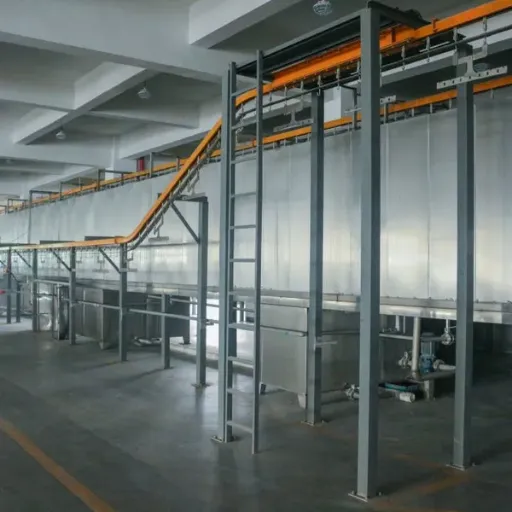
Zirconium pretreatment is the better choice when:
Environmental regulations restrict chromium or heavy metals.
Phosphate sludge disposal has become costly or complex.
The application runs on aluminum, zinc-coated steel, or mild steel.
Corrosion requirements are moderate to high but not extreme.
Energy savings and reduced process stages are priorities.
The topcoat is powder, liquid paint, or e-coat.
It is usually not the best choice when the specification demands maximum salt-spray performance on heavily formed steel parts, or when the substrate requires the mechanical anchoring of a thick zinc phosphate crystal layer. If you are deciding between primer technologies, our comparison of e-coat vs powder coating can help you match the right pretreatment and application combination to your specification.
Conclusion
Zirconium pretreatment offers a practical, chrome-free path forward for manufacturers facing environmental restrictions and rising operating costs. The process deposits a thin zirconium oxide conversion coating. This film promotes adhesion and corrosion resistance without the sludge, heavy metals, or high temperatures of traditional phosphating.
Here are the key takeaways:
Zirconium pretreatment applies a nanometer-thin zirconium oxide film to steel, zinc-coated steel, and aluminum.
It replaces hexavalent chromium passivation and can replace phosphating in most appliance, automotive, and industrial applications.
The process runs at ambient or low temperature with fewer stages and minimal sludge.
Key parameters include bath concentration, pH, fluoride content, temperature, dwell time, and rinse quality.
Zirconium performs well in appliances, automotive components, architectural aluminum, and general hardware.
It is not ideal for the most demanding corrosion applications where heavy zinc phosphate still leads.
Integrated turnkey equipment design is critical to maintaining chemistry control and consistent quality.
If you are evaluating chrome-free pretreatment options for your coating line, zirconium deserves serious consideration. The right process configuration can reduce environmental burden, lower operating cost, and maintain the coating quality your customers expect.
Get a Turnkey Project Quotation for your zirconium pretreatment line or complete pretreatment system. Submit your workpiece dimensions, output targets, and corrosion requirements, and our engineering team will respond with a custom design and quotation.
Recently Posted
-
Conveyor Speed Calculation for Coating Lines: A Complete Guide
June 26, 2026Last March, a hardware manufacturer in Ningbo raised the chain speed on its powder coating line by 15% to clear a backlog. Three d Read More
 -
Conveyor Line Design: A Complete Engineering Guide for Coating Lines
June 26, 2026Last autumn, a hardware manufacturer in Vietnam commissioned a new powder coating line. The pretreatment tunnel, cyclone-recovery Read More
 -
Overhead Conveyor System: Engineering Guide for Coating Lines
June 26, 2026Last autumn, a hardware manufacturer in Ningbo faced a familiar problem. Their new powder coating line had to fit inside a buildin Read More
 -
Industrial Paint Booth: A Complete Engineering Guide for Manufacturers
June 26, 2026When Mike Chen expanded his metal furniture factory in Zhejiang Province last spring, he assumed the new spray area would solve hi Read More

Contact Us
Recommended Products
-
 Industrial Custom Spray Coating Line for Hardware Anti‑Corrosion TreatmentNegotiableMOQ: 1 Set
 -
Industrial Electrophoresis Line for Metal Water Pump Workpieces ProcessingNegotiableMOQ: 1 Set
-
Custom E‑Coating Production Line for Water Pump Parts Surface FinishingNegotiableMOQ: 1 Set
-
China OEM Custom E-Coating Machine and Cathodic Electrophoresis Production LineNegotiableMOQ: 1 Set
-
Industrial Electrophoretic Coating Line With Custom Design for Metal WorkpiecesNegotiableMOQ: 1 Set
-
Intelligent Automated Electrophoretic Coating Line for Powder Coating Production EquipmentNegotiableMOQ: 1 Set
-
Full Automatic Custom Electrophoretic Coating Line for Industrial Metal ComponentsNegotiableMOQ: 1 Set
-
Heavy‑Duty Continuous Powder Coating Line for Big Cabinet Anti‑Corrosion FinishingNegotiableMOQ: 1 Set
-
Energy‑Saving Powder Coating Line for Large Industrial Cabinet Surface ProtectionNegotiableMOQ: 1 Set
-
Environmental Friendly Powder Coating Line With High Recovery for Large CabinetsNegotiableMOQ: 1 Set
-
Large Manual Industrial Curing Oven for Metal Powder Coating MachineryNegotiableMOQ: 1 Set
-
Industrial Plastic Drying Oven With PLC Control and 304 Stainless Steel HopperNegotiableMOQ: 1 Set
-
High Efficiency Plastic Raw Material Dryer for Plastic ProcessingNegotiableMOQ: 1 Set
-
Compact E-Coating System for Small Metal Components in Automotive & Medical Device ProductionNegotiableMOQ: 1 Piece
-
Gantry Transport Type Electrophoretic Coating Line for Industrial WorkpiecesNegotiableMOQ: 1 Set
-
Custom Gantry Electrophoretic Coating Line for Automotive Component FinishingNegotiableMOQ: 1 Set
-
Large Workpiece Stainless Steel Manual Powder Spray Booth With Ventilation SystemNegotiableMOQ: 1 Set
-
Large Capacity Stainless Steel Manual Powder Spray Booth With Powder Recovery SystemNegotiableMOQ: 1 Set
-
Automatic Large Workpiece Powder Spray Booth for Metal FabricationNegotiableMOQ: 1 Set
-
Powder Spraying Room With Stainless Steel Frame and PLC ControlNegotiableMOQ: 1 Set