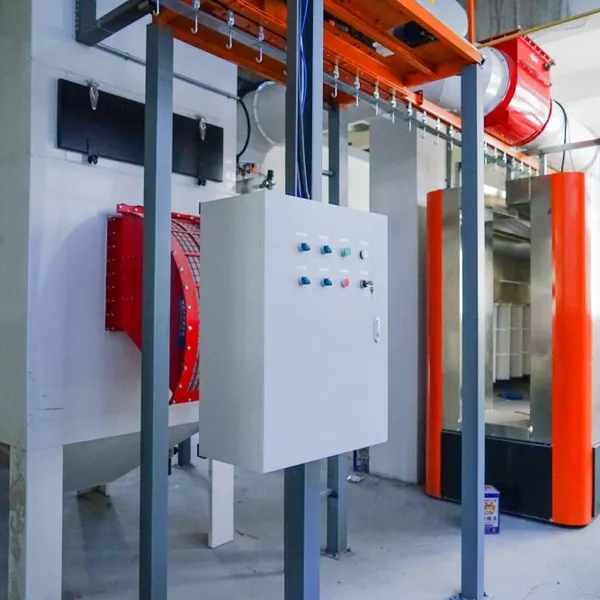

 Business License

Industrial Curing Oven: A Complete Guide to Selection, Efficiency, and Integration
Chen Wei, a plant manager at a hardware factory in Zhejiang, watched his energy bills climb month after month. His coating line used three separate batch ovens to cure powder-coated brackets, hinges, and tool handles. The ovens were reliable, but they were also inefficient.
After replacing the batch setup with a single tunnel type curing oven matched to his line speed, his gas consumption dropped by 34% and throughput increased by nearly 40%. The right industrial curing oven did not just cure parts faster. It changed the economics of his entire finishing department.
If you are responsible for coating quality, production throughput, or capital equipment procurement, you already know that curing is not a minor detail. It is the stage where powder flows and cross-links, where liquid paint films harden, and where durability is locked in. A poorly specified oven causes rejects, wastes energy, and creates bottlenecks. A well-specified industrial curing oven delivers consistent film properties, predictable operating costs, and a line that runs at design capacity.
In this guide, you will learn what an industrial curing oven actually does, the main types available, the specifications that matter, and how to match an oven to your coating line. We will also look at energy efficiency, common applications, and integration with powder coating and liquid painting systems. By the end, you will have a clear framework for evaluating ovens and a practical checklist for your next project.
What Is an Industrial Curing Oven and Why Is It Critical?
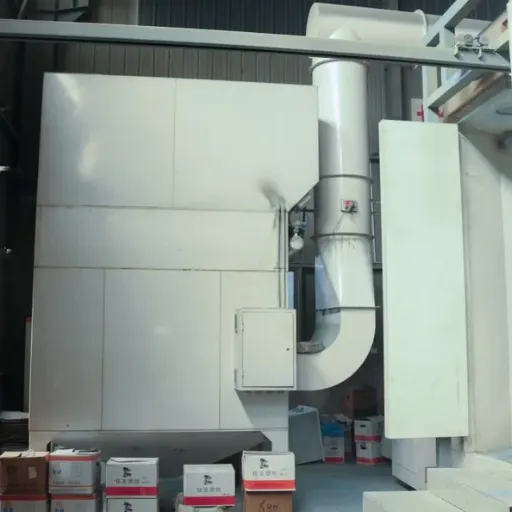
An industrial curing oven is a heated chamber or tunnel designed to bring coated workpieces to a specific temperature for a controlled time. The goal is to trigger the chemical or physical changes that transform a applied coating into a durable finish.
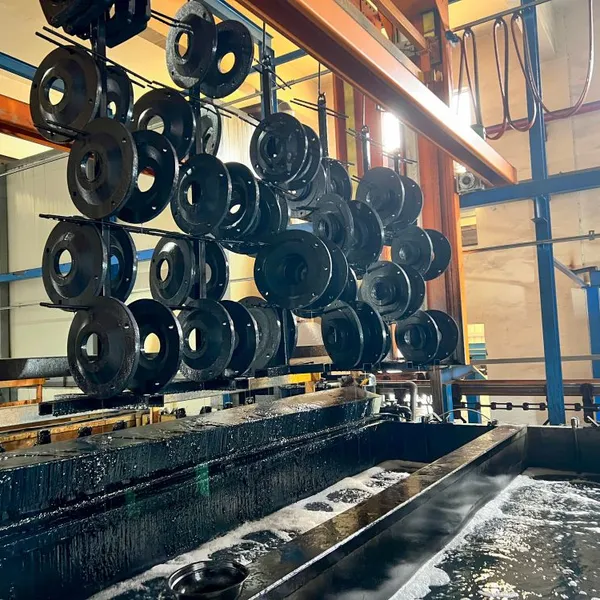
In powder coating, heat causes the powder to melt, flow, and cross-link into a continuous film. In liquid painting, it drives solvent evaporation and resin curing. In electrophoretic deposition, it completes the polymerization of the e-coat primer.
The process sounds simple, but the engineering is not. Temperature uniformity, air circulation, heating ramp rate, conveyor speed, and exhaust management all influence final coating quality. A temperature deviation of more than a few degrees across the workpiece load can produce color inconsistency, poor adhesion, or insufficient cure. Inconsistent airflow can leave wet spots in corners or over-cure exposed edges.
For manufacturers running continuous production, the industrial curing oven is also one of the largest energy consumers on the line. Heating systems rated from 300,000 to 1,000,000 kcal are common in mid-size and large coating operations. The choice between gas, electric, oil, steam, or infrared heating therefore has a direct impact on operating cost and emissions.
Industry guidance from the Powder Coating Institute emphasizes that cure temperature and time must follow the coating supplier's data sheet to achieve specified film properties. Deviating from the recommended cure window risks poor adhesion, color shift, or reduced durability.
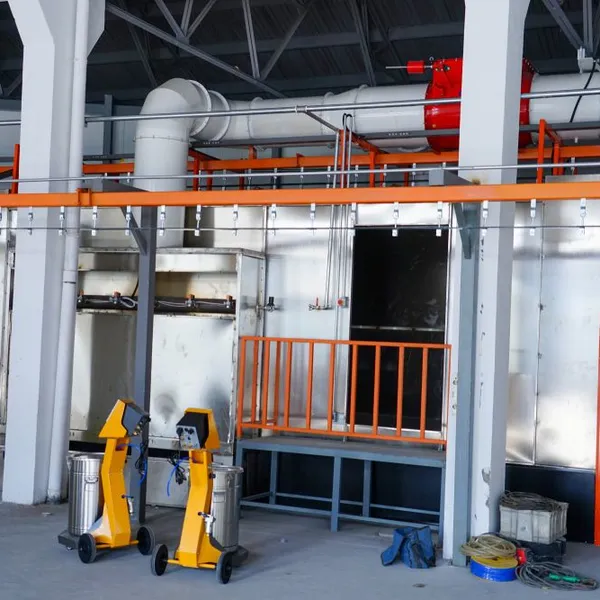
At Deqing Leixin, we design curing ovens as integrated components of complete coating production lines, not as standalone boxes. That integration mindset matters because oven performance depends on what happens upstream and downstream. Workpiece spacing, conveyor pitch, and line speed must all be coordinated with the oven length and thermal profile.
Want to see how a curing oven fits into your complete line? Explore our curing oven and drying tunnel solutions or request a free line design drawing based on your workpiece specifications.
Types of Industrial Curing Ovens
Choosing the right oven type is the first major decision. Each configuration has distinct advantages in throughput, flexibility, energy use, and floor space.
Batch Ovens
Batch ovens process a fixed quantity of workpieces in a single heating cycle. The operator loads parts onto racks or carts, closes the door, runs the cure cycle, and unloads. Batch ovens are cost-effective for low volumes, frequent color changes, or prototype work. They also suit operations where parts vary widely in size and cannot be hung easily on a conveyor.
The main limitation is throughput. Because loading, heating, cooling, and unloading happen sequentially, batch ovens cannot match the output of continuous systems. Energy efficiency is also lower per part because the entire chamber must be heated and cooled repeatedly.
Tunnel Type Curing Oven
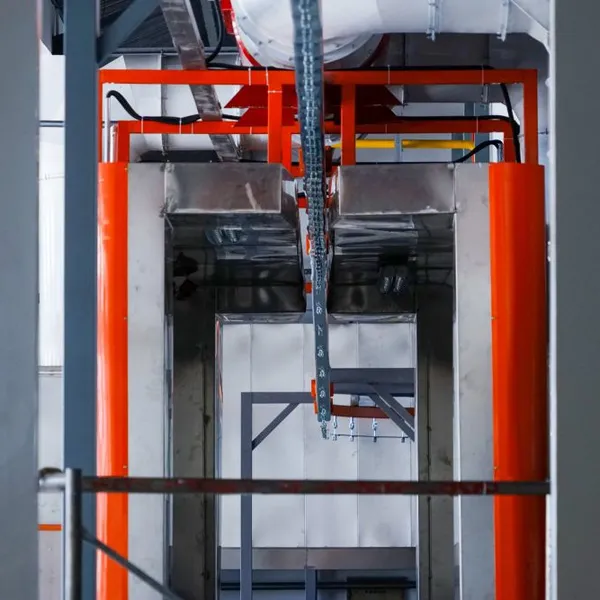
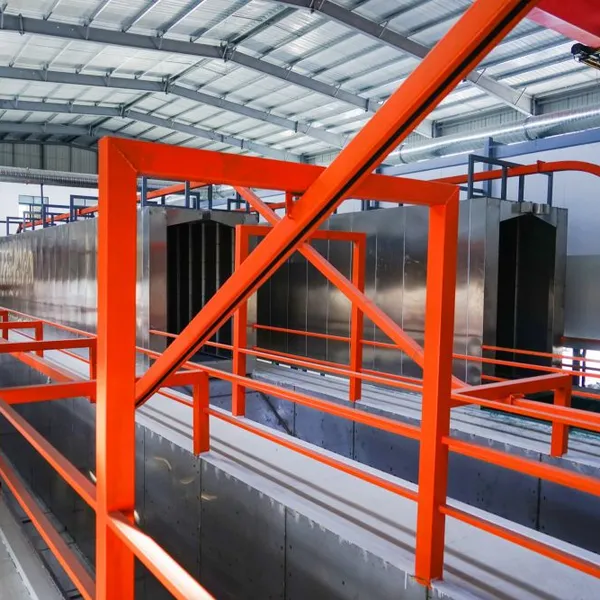
A tunnel type curing oven is the standard choice for automated powder coating and liquid painting lines. Workpieces enter one end on a conveyor, pass through heated zones, and exit cured at the other end. The oven runs continuously, so energy is used steadily and parts move at a fixed line speed.
Tunnel ovens can be engineered with single or multiple temperature zones. Multi-zone designs allow a controlled heating ramp, a dwell zone at peak temperature, and a controlled cool-down before exit. This zoning is especially useful for heat-sensitive substrates or coatings that require gradual cure.
Bridge Type Curing Oven
Bridge ovens are a specialized tunnel design where the conveyor enters and exits at a lower elevation than the main heating chamber. The bridge shape creates a natural thermal barrier that reduces heat loss at the openings. It also helps prevent contamination from falling debris, since the openings are below the main cure zone.
Gas Fired Curing Oven
A gas fired curing oven uses natural gas or liquefied petroleum gas burners to heat air that is circulated through the oven. Gas ovens typically offer the lowest operating cost per unit of energy in regions where natural gas is inexpensive. They heat large volumes quickly and are well suited to high-throughput tunnel ovens.
Combustion safety, exhaust management, and flame supervision systems are critical in gas-fired designs. A properly engineered gas oven includes temperature interlocks, combustion air proving, and adequate exhaust to prevent volatile buildup.
Electric Curing Oven
An electric curing oven uses resistance heating elements to raise chamber temperature. Electric ovens are simpler to install because they do not require gas lines, combustion air ducts, or fuel storage. They also produce zero direct emissions at the point of use, which can be an advantage in facilities with strict environmental controls.
The trade-off is operating cost. In most markets, electricity is more expensive per unit of heat than natural gas. Electric ovens are often preferred for smaller batch ovens, laboratory curing, or regions where electricity is subsidized.
Infrared and UV Curing Systems
Infrared curing ovens use radiant energy rather than convected hot air to heat the coating directly. Infrared can accelerate cure times and reduce overall energy consumption because the energy is directed at the part surface rather than heating the entire chamber. It works best when part geometry is relatively flat and consistent.
Ultraviolet curing uses UV lamps to initiate instant polymerization of specially formulated coatings. UV curing is extremely fast and energy-efficient, but it is limited to coatings formulated with photoinitiators. It is common in wood, electronics, and some specialty metal finishing applications.
Engineering Note: The best oven type depends on your coating chemistry, workpiece geometry, daily volume, and local energy prices. A tunnel type curing oven with gas heating is usually the most economical choice for high-volume powder coating. Batch or electric ovens often make more sense for low-volume or mixed-product operations.
Oven Type Comparison at a Glance
| Oven Type | Best For | Throughput | Energy Source | Key Advantage |
|---|---|---|---|---|
| Batch oven | Low volume, mixed parts, prototyping | Low to medium | Electric, gas, oil | Flexible loading, low capital cost |
| Tunnel type curing oven | High-volume continuous lines | High | Gas, electric, oil, steam | Consistent dwell time, efficient per-part energy use |
| Bridge type curing oven | Dust-sensitive finishes | High | Gas, electric, oil, steam | Thermal barrier reduces contamination and heat loss |
| Gas fired curing oven | Regions with low natural gas prices | High | Natural gas or LPG | Lowest operating cost per unit of heat |
| Electric curing oven | Strict emission controls, small ovens | Low to medium | Electricity | Zero direct emissions, simple installation |
| Infrared / UV curing | Flat parts, UV-curable coatings | Medium to high | Electricity | Rapid cure, low energy per part |
Use this table as a starting point, then confirm the final selection with your coating supplier and oven manufacturer.
Key Specifications to Evaluate
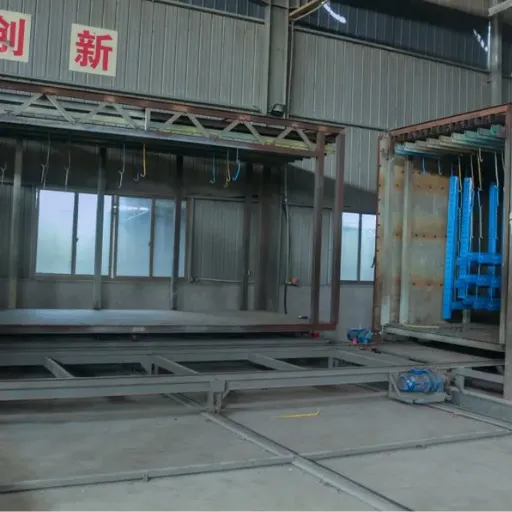
Once you have selected an oven type, the next step is to verify the technical specifications. These numbers determine whether the oven will meet your quality and throughput targets.
Temperature Range and Uniformity
Powder coatings typically cure between 160°C and 220°C, depending on the resin system. Liquid paints and e-coats have their own cure windows, often lower. The oven must be able to maintain the target temperature uniformly throughout the work zone.
Look for temperature uniformity within ±3°C across the load. Better uniformity means more consistent cure, fewer color shifts, and reduced risk of over-bake or under-bake. Ask the supplier how uniformity was tested and whether it is guaranteed at your specific line speed and load density.
Thermal Capacity
Thermal capacity is usually expressed in kilocalories per hour (kcal/h) or kilowatts (kW). Deqing Leixin curing ovens, for example, are available in configurations from 300,000 to 1,000,000 kcal to match different production throughputs.
Oversizing the heater wastes capital and energy. Undersizing leads to long heat-up times, inability to reach setpoint under load, and production delays. The correct capacity depends on oven volume, insulation quality, target temperature, line speed, and the thermal mass of the workpieces.
Conveyor Speed and Oven Length
In continuous ovens, conveyor speed and oven length together define dwell time. Dwell time must match the coating manufacturer’s cure schedule. If the oven is too short or the line is too fast, parts exit before full cure. If the oven is too long or the line is too slow, energy is wasted and coatings may over-cure.
When planning a new line, engineers calculate the required oven length from the desired production rate, part spacing, and cure time. This is why powder coating line design should always include oven sizing as a core step.
Airflow and Circulation
Convection ovens rely on forced airflow to transfer heat to the workpiece surface. Poor circulation creates hot and cold zones. High-velocity airflow improves heat transfer but can disturb lightweight parts or blow powder off before it melts.
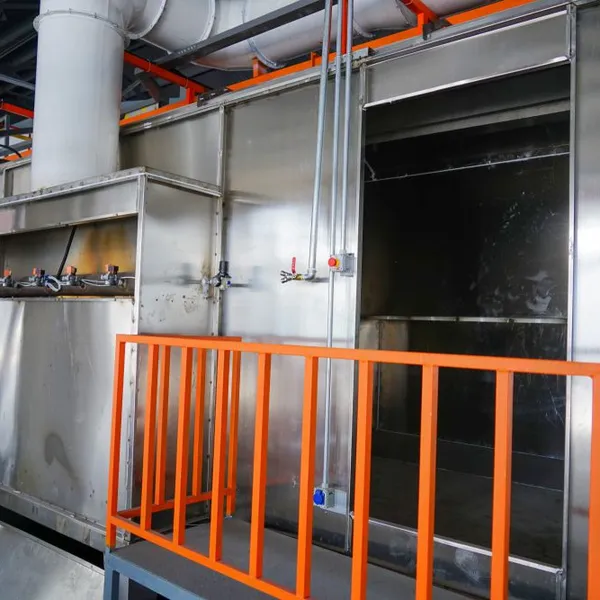
Good oven design balances air velocity and distribution. Baffles, plenums, and adjustable louvers help direct airflow evenly. Stainless steel liners reduce contamination and reflect radiant heat back into the chamber.
Construction Materials
The oven interior should resist the temperatures and chemistries involved. A 304 stainless steel liner is common in industrial curing ovens because it resists oxidation, is easy to clean, and maintains a professional appearance over years of service. Insulation thickness and density affect heat retention and exterior surface temperature.
How Oven Design Affects Coating Quality
A curing oven is not just a heater. It is a thermal process tool. Its design directly influences several quality parameters that buyers and quality managers care about.
Film Thickness and Adhesion
Under-cured powder coating may look acceptable but will have poor mechanical properties. Adhesion suffers, and the coating can chip or flake. Over-cured coatings may become brittle or discolored. The oven must hold the part within the specified cure window for the full required time.
Coating quality tests such as salt spray and cross-hatch adhesion referenced in ASTM and ISO 9001:2015 standards help validate whether the cure profile produced a durable film. These tests give procurement teams objective evidence that the finish meets specification.
Color Consistency
Temperature variations across the oven cause color shifts, especially in sensitive shades like white, beige, and metallic finishes. Maintaining ±3°C uniformity helps ensure that every part in a batch or every part on a continuous line matches the color standard.
Gloss and Appearance
Gloss level is sensitive to cure temperature and time. Too much heat can lower gloss and create orange peel. Too little heat leaves a soft, low-gloss film. A controlled temperature profile helps achieve the specified gloss and smoothness.
Rework and Scrap Rate
Inconsistent curing is a common cause of rework. When Li Mei, a quality supervisor at an appliance panel factory, investigated a spike in rejects, she traced the problem to a 12°C variation between the left and right sides of the oven. After the supplier rebalanced the airflow and added baffles, reject rates fell from 6% to under 1.5%. The fix cost far less than the rework it prevented.
Energy Efficiency and Operating Cost Considerations
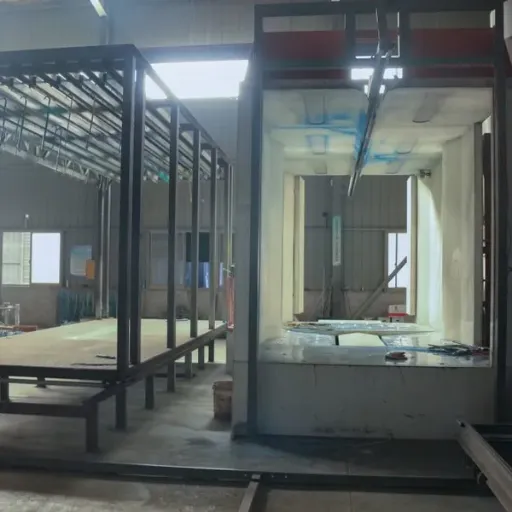
Energy is one of the largest ongoing costs in a coating operation. Selecting an efficient industrial curing oven and operating it correctly can significantly reduce the cost per finished part.
Insulation Quality
Thick, high-density mineral wool insulation reduces heat loss through the oven walls. Well-insulated ovens recover quickly after door openings and maintain setpoint with less burner or element runtime. Ask for the exterior surface temperature specification as an indicator of insulation performance.
Heat Recovery
Some advanced oven designs include heat recovery systems that capture energy from exhaust air and preheat incoming combustion air or fresh makeup air. This can reduce fuel consumption by 15% to 30% in high-volume operations.
Zone Control
Multi-zone ovens allow you to reduce heat in sections where less energy is needed. For example, the entry zone may require less heat once the line is running, while the peak cure zone requires full output. Independent zone controls prevent over-heating and save energy.
Energy Source Selection
The choice between gas, electric, oil, and steam should be based on local utility rates, availability, and environmental regulations. In many regions, a gas fired curing oven offers the lowest cost per kilocalorie. Where emissions are restricted or gas is unavailable, electric or steam heating may be preferable.
Deqing Leixin offers electric, gas, oil, and steam heating options across our tunnel and bridge oven range. We help customers model operating costs based on local energy prices before finalizing the design.
Ready to compare energy options for your coating line? Contact our engineers with your local utility rates and production targets, and we will prepare a heating recommendation and operating cost estimate.
Common Industrial Applications
Industrial curing ovens serve a wide range of surface finishing operations. The same basic principles apply, but each application has specific requirements.
Powder Coating
Powder coating is the most common application for industrial curing ovens. Parts are sprayed with electrostatically charged powder, then conveyed through an oven where the powder melts and cures. Powder coating ovens must handle the required temperature and dwell time for polyester, epoxy, hybrid, and polyurethane powders.
Liquid Painting
Liquid paint systems use curing ovens to evaporate solvents and cure resin films. Temperatures are often lower than powder cure temperatures, and ventilation requirements are higher because of solvent vapors. Explosion-proof construction and adequate exhaust are essential for solvent-based paints.
Electrophoretic Deposition
E-coat lines use curing ovens to polymerize the deposited primer film. Typical cure temperatures range from 160°C to 200°C. Uniform heating is important because e-coat films are thin and any under-cure will reduce corrosion protection.
Automotive Parts
Automotive components such as wheels, brackets, trim, and chassis parts require consistent cure to meet appearance and durability standards. Salt spray resistance, adhesion, and color match are all affected by cure quality.
Home Appliances and Hardware
Large appliance panels and small hardware parts both rely on curing ovens. The difference is usually in oven size and conveyor design. Appliance lines use wide tunnel ovens with overhead conveyors, while hardware lines may use smaller batch or continuous systems.
Furniture and Pipes
Metal furniture and pipe coating operations often require long or irregular workpieces. Oven length, opening size, and conveyor load capacity must be designed around the largest expected part.
Integrating the Oven with Your Coating Line
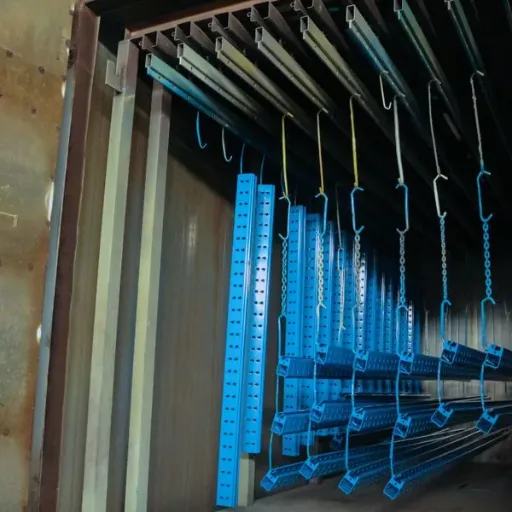
A curing oven should never be selected in isolation. It must integrate smoothly with pretreatment, spray application, conveying, and cooling systems.
Coordination with Pretreatment
Workpieces entering the oven should be clean, dry, and free of pretreatment residue. A wet part entering a hot oven causes steam, contamination, and coating defects. The distance between the pretreatment dryer and the cure oven, and the temperature of the dryer, must be matched to line speed. Our guide to surface pretreatment before coating explains how this stage sets up everything that follows.
Conveyor and Part Spacing
Part spacing affects how heat circulates around each workpiece. Parts hung too closely together create shadow zones and temperature variation. The conveyor pitch, hanger design, and oven width must allow adequate clearance.
Cooling and Unloading
After cure, parts must cool before handling or packing. Some lines include a controlled cooling zone at the oven exit. Others rely on ambient cooling. The cooling method affects floor space, cycle time, and part handling logistics.
Controls and Monitoring
Modern industrial curing ovens use Programmable Logic Controller (PLC) systems with touch-screen Human-Machine Interface (HMI) panels. Operators can set recipes, monitor zone temperatures, log data, and receive alarms. Optional remote monitoring allows managers to track oven performance from a central office.
When Zhang Hao upgraded his elevator panel line, he added a PLC-controlled oven with recipe storage. The system automatically adjusted temperature and conveyor speed when switching between product types. Setup time dropped from 45 minutes to under 10 minutes, and first-pass quality improved because operators could no longer accidentally use the wrong settings.
Selection Checklist for Buyers
Use this checklist when evaluating an industrial curing oven for your project:
Confirm the oven type matches your production mode: batch for low-mix, tunnel for high-volume.
Verify temperature range and uniformity meet your coating supplier’s cure schedule.
Size thermal capacity to your oven volume, target temperature, and workpiece load.
Match oven length and conveyor speed to required dwell time.
Check liner material, insulation quality, and exterior surface temperature.
Choose the heating source based on local energy costs and emissions rules.
Ensure controls include recipe management, data logging, and safety interlocks.
Coordinate oven specifications with pretreatment, spray booth, and conveying systems.
Request references or case studies from similar applications.
Ask about installation, commissioning, training, warranty, and spare parts support.
Conclusion
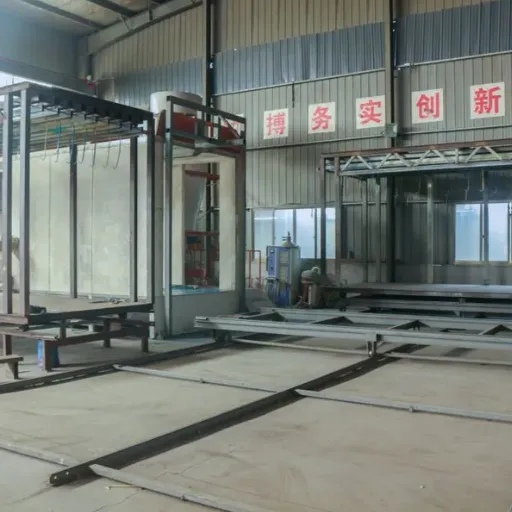
An industrial curing oven is one of the most important investments in any coating production line. The right oven delivers consistent cure quality, controls energy costs, and keeps the line running at target throughput. The wrong oven creates defects, wastes fuel or electricity, and becomes a persistent bottleneck.
The key takeaways are clear. Match the oven type to your production mode. Verify temperature uniformity and thermal capacity. Coordinate the oven with upstream and downstream processes.
Choose the heating source based on real local costs. And work with a supplier who understands coating systems as integrated production lines, not isolated machines.
At Deqing Leixin, we engineer tunnel type curing ovens, bridge ovens, and drying tunnels as part of turnkey coating production lines. Every design is tailored to the customer’s workpiece dimensions, daily output, heating preference, and factory layout. We provide free design drawings, full installation and commissioning, operator training, and lifelong maintenance support.
Get a turnkey project quotation for your coating line. Submit your workpiece specifications and our engineering team will respond with a preliminary oven sizing and line layout proposal.
Recently Posted
-
Conveyor Speed Calculation for Coating Lines: A Complete Guide
June 26, 2026Last March, a hardware manufacturer in Ningbo raised the chain speed on its powder coating line by 15% to clear a backlog. Three d Read More
 -
Conveyor Line Design: A Complete Engineering Guide for Coating Lines
June 26, 2026Last autumn, a hardware manufacturer in Vietnam commissioned a new powder coating line. The pretreatment tunnel, cyclone-recovery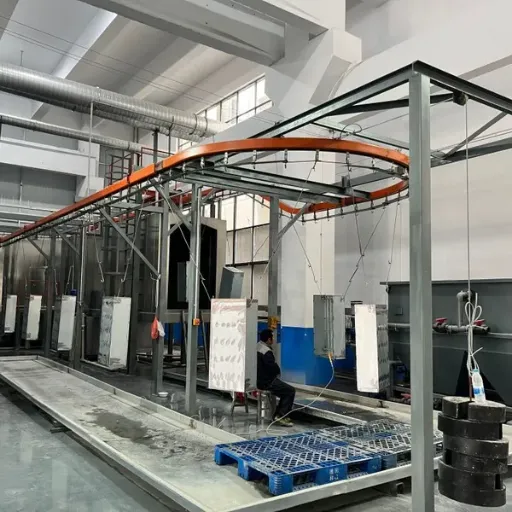 Read More
 -
Overhead Conveyor System: Engineering Guide for Coating Lines
June 26, 2026Last autumn, a hardware manufacturer in Ningbo faced a familiar problem. Their new powder coating line had to fit inside a buildin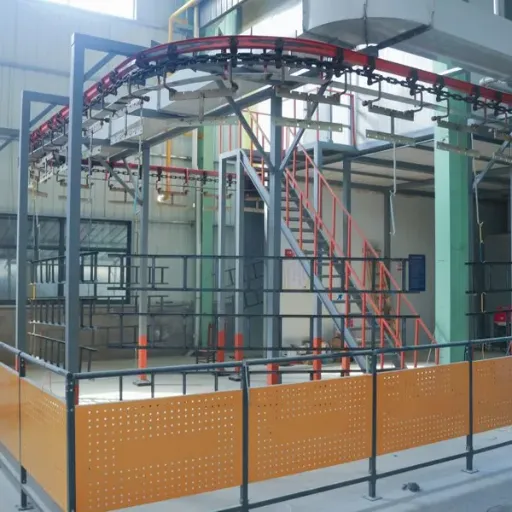 Read More
 -
Industrial Paint Booth: A Complete Engineering Guide for Manufacturers
June 26, 2026When Mike Chen expanded his metal furniture factory in Zhejiang Province last spring, he assumed the new spray area would solve hi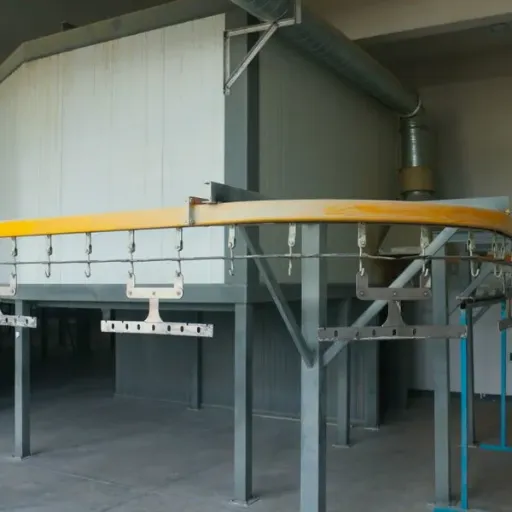 Read More

Contact Us
Recommended Products
-
 Industrial Custom Spray Coating Line for Hardware Anti‑Corrosion TreatmentNegotiableMOQ: 1 Set
 -
Industrial Electrophoresis Line for Metal Water Pump Workpieces ProcessingNegotiableMOQ: 1 Set
-
Custom E‑Coating Production Line for Water Pump Parts Surface FinishingNegotiableMOQ: 1 Set
-
China OEM Custom E-Coating Machine and Cathodic Electrophoresis Production LineNegotiableMOQ: 1 Set
-
Industrial Electrophoretic Coating Line With Custom Design for Metal WorkpiecesNegotiableMOQ: 1 Set
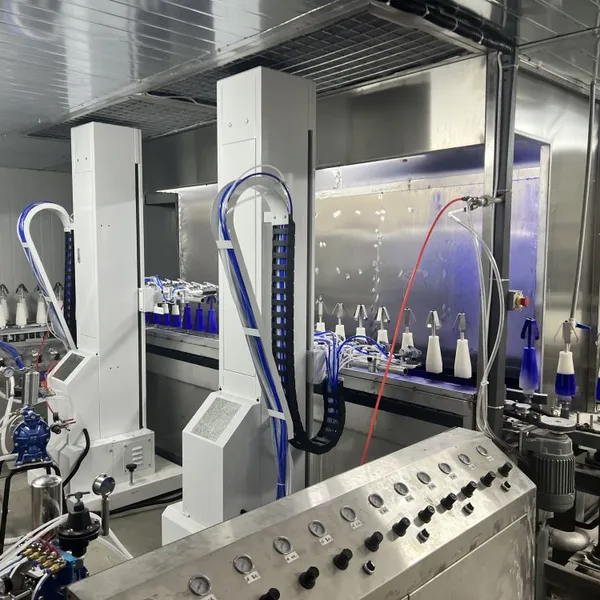
-
Intelligent Automated Electrophoretic Coating Line for Powder Coating Production EquipmentNegotiableMOQ: 1 Set
-
Full Automatic Custom Electrophoretic Coating Line for Industrial Metal ComponentsNegotiableMOQ: 1 Set
-
Heavy‑Duty Continuous Powder Coating Line for Big Cabinet Anti‑Corrosion FinishingNegotiableMOQ: 1 Set
-
Energy‑Saving Powder Coating Line for Large Industrial Cabinet Surface ProtectionNegotiableMOQ: 1 Set
-
Environmental Friendly Powder Coating Line With High Recovery for Large CabinetsNegotiableMOQ: 1 Set
-
Large Manual Industrial Curing Oven for Metal Powder Coating MachineryNegotiableMOQ: 1 Set
-
Industrial Plastic Drying Oven With PLC Control and 304 Stainless Steel HopperNegotiableMOQ: 1 Set
-
High Efficiency Plastic Raw Material Dryer for Plastic ProcessingNegotiableMOQ: 1 Set
-
Compact E-Coating System for Small Metal Components in Automotive & Medical Device ProductionNegotiableMOQ: 1 Piece
-
Gantry Transport Type Electrophoretic Coating Line for Industrial WorkpiecesNegotiableMOQ: 1 Set
-
Custom Gantry Electrophoretic Coating Line for Automotive Component FinishingNegotiableMOQ: 1 Set
-
Large Workpiece Stainless Steel Manual Powder Spray Booth With Ventilation SystemNegotiableMOQ: 1 Set
-
Large Capacity Stainless Steel Manual Powder Spray Booth With Powder Recovery SystemNegotiableMOQ: 1 Set
-
Automatic Large Workpiece Powder Spray Booth for Metal FabricationNegotiableMOQ: 1 Set
-
Powder Spraying Room With Stainless Steel Frame and PLC ControlNegotiableMOQ: 1 Set