
 Business License

Powder Coating Defects and Solutions: A Complete Troubleshooting Guide
A single coating defect on a high-volume automotive parts line can scrap an entire shift's output. Operators may not trace it back to the root cause until hundreds of parts have already passed through the booth. Powder coating offers exceptional durability, environmental benefits, and material efficiency. Yet finish problems still occur when process parameters drift out of specification.
For plant managers and coating engineers, the real cost is not just rework. It is missed deliveries, customer rejections, and the hours spent diagnosing whether the issue started in pretreatment, application, or curing.
You already know that powder coating quality depends on more than good spray equipment. Every stage of the line affects the final finish. This guide to powder coating defects and solutions breaks down the most common finish problems, explains why they happen, and gives you actionable fixes you can apply on the production floor. Whether you are commissioning a new line or troubleshooting an existing one, these principles will help you reduce scrap and maintain consistent film thickness across every workpiece.
Key topics covered in this guide:
Surface preparation defects that cause adhesion failure
Application-related finish problems and gun setup fixes
Curing errors that produce orange peel, discoloration, and brittleness
Contamination control across the coating line
When a process issue signals a deeper line design problem
Why Powder Coating Defects Follow a Repeatable Pattern
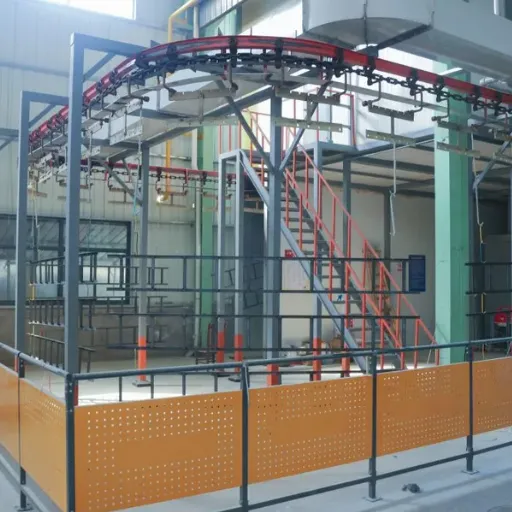
Most powder coating defects do not appear randomly. They trace back to one of four process zones: pretreatment, application, curing, or material handling. Operators often treat symptoms in isolation, adjusting gun voltage or oven temperature without checking whether the workpiece arrived at the booth with the right surface chemistry. A disciplined troubleshooting approach starts by mapping the defect to the zone where it originated.
The four defect zones are:
Pretreatment, residual oil, poor phosphating, or moisture left on the substrate
Application, incorrect gun settings, poor grounding, or inconsistent powder flow
Curing, under-cure, over-cure, or uneven temperature distribution
Handling and environment, contamination, rework damage, or humidity exposure
Each zone has distinct failure signatures. Fish eyes and craters usually point to surface contamination or incompatible chemistry. Orange peel and poor leveling typically indicate a cure or powder flow problem.
Adhesion loss almost always starts before the powder ever reaches the workpiece. Recognizing these patterns saves hours of trial-and-error adjustment.
Common Powder Coating Defects and Solutions at a Glance
| Defect | Most Likely Process Zone | Quick Fix |
|---|---|---|
| Orange peel | Curing or application | Verify oven profile and powder flow; reduce gun voltage if needed |
| Poor adhesion | Pretreatment | Test rinse water, check phosphate coating weight, verify drying |
| Fish eyes / craters | Contamination | Remove silicone sources, clean compressed air, isolate booth from coolant mist |
| Thin film | Application | Check grounding, gun alignment, and conveyor speed |
| Color drift | Reclaim or curing | Standardize reclaim ratio, store powder in controlled conditions |
| Dirt inclusions | Handling or environment | Replace booth filters, clean hangers, maintain positive air pressure |
Use this table as a starting point for powder coating troubleshooting. Always confirm the root cause with process data before making permanent line changes.
When Marcus, a production supervisor at a Midwest hardware manufacturer, noticed intermittent adhesion failures on zinc-plated brackets, his team first raised booth voltage and increased film thickness. The defect persisted. Only after they tested the pretreatment rinse water did they discover elevated conductivity from a failing reverse-osmosis unit. Once the water quality was restored and the phosphating stage rebalanced, adhesion failures dropped by 90% within two production days.
Surface Preparation Defects: Adhesion Starts Before the Booth
Coating adhesion is a chemical conversation between the substrate and the powder film. If pretreatment leaves behind oils, oxides, or poorly converted phosphate crystals, that conversation fails. The powder may look fine after application, but the finish will chip, flake, or fail salt-spray testing later.
Poor Adhesion and Blistering
Poor adhesion manifests as powder film peeling from edges, impact damage exposing bare metal, or blistering after humidity or salt-spray exposure. The root causes usually sit upstream of the spray booth:
Inadequate degreasing from cold or contaminated cleaning chemistry
Insufficient rinse after alkaline or phosphating stages
Low phosphate coating weight on steel or aluminum
Moisture trapped in recessed areas before powder application
Incompatible substrate, such as galvanized steel without proper conversion coating
Solutions:
Monitor bath temperature, concentration, and contamination levels on every shift
Verify rinse water conductivity and change it before it exceeds your process window
Use iron or zinc phosphate based on substrate requirements
Add a drying stage or compressed-air blow-off before the spray booth
Test adhesion with cross-hatch tape pulls at start-up and after any chemistry change
Compare your results against ASTM coating test standards for film adhesion and corrosion resistance
Flash Rust and White Corrosion
Flash rust appears when steel workpieces sit too long between pretreatment and coating, especially in humid conditions. White corrosion on aluminum indicates inadequate conversion coating or rinse water chemistry problems. Both create weak boundaries that reduce coating life.
Solutions:
Minimize dwell time between final rinse and powder application
Control ambient humidity in the coating area
Use a final passivation stage for aluminum substrates
Schedule regular salt-spray testing to catch corrosion failures before customer shipment
A well-designed surface pretreatment system is the foundation of coating quality. If your line experiences recurring adhesion or corrosion failures, the first place to investigate is not the spray gun. It is the cleaning and conversion coating stages that prepare the workpiece.
Application Defects: Guns, Grounding, and Powder Flow
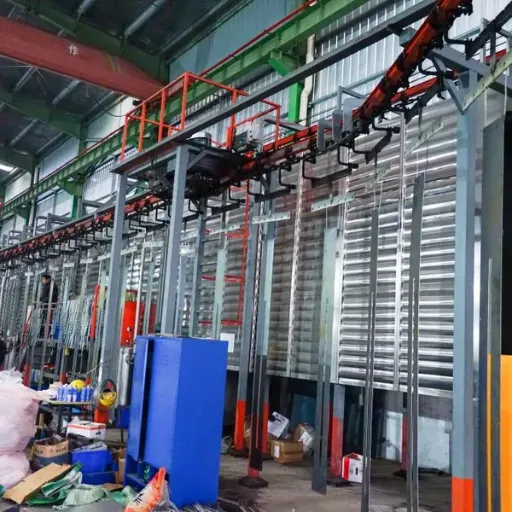
Even a perfectly pretreated workpiece can produce a poor finish if application parameters are wrong. Powder coating troubleshooting at this stage focuses on electrostatic charging, gun-to-part distance, and powder delivery consistency.
Orange Peel and Poor Leveling
Orange peel is one of the most common powder coating defects. The surface looks textured, like the skin of an orange, instead of smooth and glossy. Causes include:
Under-cure or over-cure in the oven
Powder material with incompatible gel time or melt viscosity
Excessive film thickness
High gun voltage causing back-ionization
Inadequate powder flow or fluidization
Solutions:
Verify oven temperature uniformity with a profiling device
Confirm cure schedule against the powder supplier's technical data sheet
Maintain film thickness within the powder manufacturer's recommended range
Reduce voltage if back-ionization creates micro-cratering
Check fluidization air and powder hopper moisture
Engineering Note: Back-ionization occurs when deposited powder builds up excess charge and repels additional particles. This produces a rough, cratered surface that is often mistaken for contamination.
Faraday Cage Effect
Complex geometries, deep recesses, and inside corners are difficult to coat because electrostatic fields concentrate on exterior edges. Powder particles follow the path of least resistance and may not reach recessed areas. The result is thin or bare spots.
Solutions:
Lower gun voltage and increase current for recessed areas
Use manual touch-up guns or specialized nozzles for cavities
Adjust conveying orientation so recesses face the guns
Consider automatic powder coating lines with programmable reciprocators that vary gun angle and distance
Thin Film and Inconsistent Coverage
Inconsistent film thickness leads to color variation, poor durability, and visible substrate show-through. Common causes include uneven gun pattern, worn nozzles, poor workpiece grounding, or fluctuating line speed.
Solutions:
Check grounding resistance at every hanger; target below 1 MΩ
Replace worn spray gun nozzles and electrodes on schedule
Verify reciprocator stroke alignment and speed
Monitor conveyor chain speed and ensure it matches the powder application recipe
At a Southeast Asian appliance plant, the coating team struggled with light coverage on the left side of refrigerator panels. They discovered that two spray guns had shifted 15 mm out of alignment after a conveyor maintenance stop. A simple recalibration of the reciprocator stroke brought film thickness back into the 60–80 µm specification window and eliminated color streaking across the panel surface.
Curing Defects: Temperature, Time, and Airflow
The curing stage determines the final mechanical and aesthetic properties of the powder film. Too little heat leaves the coating soft and under-cured. Too much heat causes yellowing, brittleness, and loss of gloss. Uneven heating creates visible bands or color variation across the workpiece.
Under-Cure and Soft Film
An under-cured powder film fails pencil hardness tests, scratches easily, and may lose adhesion in outdoor exposure. Causes include:
Oven temperature set too low
Line speed too fast for the part thermal mass
Cold spots in the oven due to poor airflow
Overloaded oven with insufficient spacing between parts
Solutions:
Use a temperature profiler to measure actual part surface temperature, not just oven air temperature
Follow the powder supplier's metal temperature/time requirement, typically 10–20 minutes at 180–200°C depending on chemistry
Maintain proper part spacing to allow hot air circulation
Service burners, fans, and ducts on a preventive schedule
Over-Cure and Yellowing
Over-cure causes gloss loss, color shift, and embrittlement. White powders may yellow. Dark colors may darken further. The film becomes less flexible and more prone to chipping.
Solutions:
Reduce oven temperature or increase line speed within the process window
Profile parts through the oven to identify hot zones
Adjust burner output to eliminate temperature spikes
Work with your powder supplier to confirm chemistry-specific cure windows
Gloss Variation and Color Drift
Gloss variation often results from uneven oven temperature or inconsistent film thickness. Color drift between batches can indicate cure differences or powder storage problems.
Solutions:
Measure and record oven temperature uniformity weekly
Store powder in a controlled environment away from heat and humidity
Use first-in, first-out inventory rotation
Standardize reclaim ratios to maintain consistent color
A properly sized curing oven with precision temperature control within ±3°C is essential for avoiding these problems. Tunnel-type ovens with 304 stainless steel liners and balanced airflow help maintain the thermal profile your powder chemistry requires.
Contamination Control: A Hidden Source of Powder Coating Quality Issues
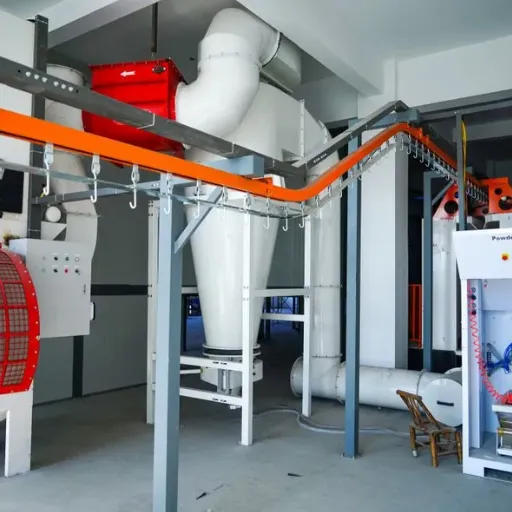
Contamination does not always come from the workpiece. It can enter the coating process through compressed air, reclaimed powder, conveyor chains, or the surrounding factory environment. These hidden sources cause some of the most stubborn powder coating quality issues because they are easy to overlook during routine troubleshooting. The Powder Coating Institute publishes technical resources that identify the most common contamination sources in production environments.
Craters and Fish Eyes
Craters are small circular depressions in the film, often with a distinct center. Fish eyes are similar but larger. Both are caused by surface tension disruption from contaminants such as:
Silicone lubricants or mold release agents
Oil mist from nearby machining operations
Dirty compressed air
Cross-contamination between powder colors
Incompatible cleaning chemistry residues
Solutions:
Eliminate silicone-based products near the coating line
Use dedicated compressed-air filtration and dryers
Isolate the spray booth from machining coolant mist
Clean reclaim systems thoroughly before color changes
Test new pretreatment chemistry for compatibility before full production use
Dirt Inclusions and Fibers
Dirt, fibers, or metal particles embedded in the finish create raised defects that may require sanding and re-coating. Sources include worn conveyor components, dirty booth filters, or clothing fibers from operators.
Solutions:
Replace booth filters on schedule
Inspect and clean hangers and grounding points regularly
Use lint-free protective equipment near the coating area
Maintain positive air pressure in the spray booth when possible
When Lisa, a quality manager at an elevator panel manufacturer, saw recurring dirt inclusions in a high-gloss white finish, she traced the problem to frayed conveyor trolley wheels shedding debris above the booth. Replacing the worn wheels and adding a weekly hanger cleaning routine eliminated the defect and reduced touch-up labor by 40%.
Reclaim, Color Change, and Material Handling Defects
Powder recovery systems reduce material waste, but reclaim practices can introduce their own quality issues if not managed correctly.
Color Drift and Contamination from Reclaim
Reclaimed powder mixes with virgin powder in most automatic systems. Over time, the ratio of fines to larger particles shifts, affecting charging efficiency and film appearance. Foreign color contamination from incomplete booth cleaning causes costly rejects.
Solutions:
Maintain a consistent reclaim ratio, typically 60:40 to 70:30 virgin to reclaim
Clean cyclone separators, cartridge filters, and spray chambers during every color change
Use color-dedicated hoses and pumps when possible
Test reclaimed powder fluidization and chargeability daily
Impact Damage and Handling Marks
Freshly coated workpieces are vulnerable to smudging, fingerprints, and impact damage before curing. Operators sometimes cause marks when loading parts too densely on racks or when handling hot workpieces immediately after cure.
Solutions:
Design racks to prevent contact between coated surfaces
Train operators to handle parts only by uncoated edges or fixtures
Allow adequate cooling time after cure before packing
Use protective separators during transport and storage
When Defects Point to Line Design Issues
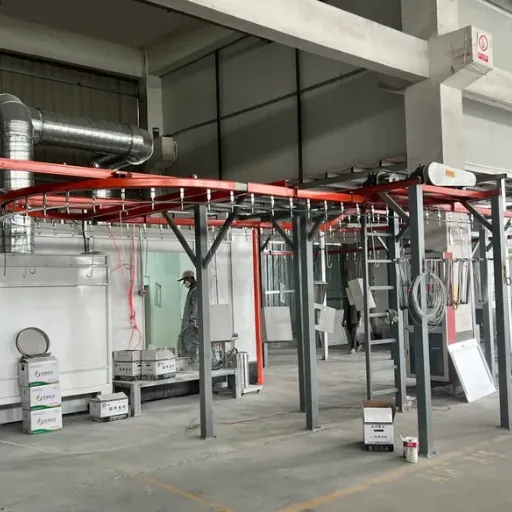
Sometimes powder coating defects are not operator errors. They are symptoms of a line that was not engineered for the workpiece, throughput, or environment. Recurring problems across multiple shifts may indicate:
Insufficient pretreatment stages for the substrate contamination level
Spray booth capacity too small for the required line speed
Curing oven thermal capacity mismatched to workpiece thermal mass
Conveying system that creates vibration, grounding problems, or part collision
Lack of environmental controls in humid or dusty factories
In these cases, process adjustments can only go so far. A line designed around the actual workpiece dimensions, daily output targets, and local conditions will always outperform a generic configuration forced to handle incompatible parts.
If you are seeing the same defect month after month, it may be time to review your overall powder coating line design. Deqing Leixin engineers lines for automotive parts, home appliances, hardware, elevators, and steel furniture, matching pretreatment, spray, cure, and conveying systems to each customer's specific quality standards.
Preventive Maintenance: Stop Powder Coating Defects Before They Start
The most effective powder coating troubleshooting happens before defects appear. A preventive maintenance schedule keeps process parameters stable and catches drift before it affects production.
Daily checks:
Grounding resistance at hangers and racks
Compressed-air pressure, moisture, and oil content
Powder fluidization and flow rate
Oven temperature setpoints and actual readings
Weekly checks:
Spray gun alignment, nozzle wear, and electrode condition
Pretreatment bath concentration, temperature, and contamination
Booth filter differential pressure
Conveyor chain lubrication and trolley wear
Monthly checks:
Full oven temperature profile using a data logger
Cross-hatch adhesion and salt-spray test panels
Reclaim system balance and cyclone efficiency
Training refreshers for new operators
Engineering Note: Document everything. A simple log of defects, process settings, and maintenance actions makes it far easier to identify trends and resolve chronic issues.
Conclusion: From Reactive Rework to Proactive Quality Control
Powder coating defects may look different on the surface, but most trace back to the same four process zones. Poor adhesion starts in pretreatment. Orange peel and craters often begin at the gun or in the cure oven. Color drift and dirt inclusions follow material handling and contamination control practices.
By mapping each defect to its root zone, you can fix the cause instead of chasing symptoms.
Key takeaways:
Adhesion failures usually indicate pretreatment problems, not powder or gun issues
Orange peel results from cure, powder flow, or application voltage problems
Contamination control extends beyond the workpiece to air, reclaim, and the factory environment
Grounding, gun alignment, and reciprocator calibration are daily priorities
Chronic defects may signal a deeper mismatch between line design and production requirements
Start your next troubleshooting session by asking where the defect truly begins. Then apply the solutions in this guide to bring your line back into specification.
Ready to eliminate recurring powder coating defects for good? Submit your workpiece specifications and our engineers will design a powder coating line around your quality targets, output requirements, and factory layout. We provide free design drawings, installation, commissioning, and operator training as part of every turnkey project.
Recently Posted
-
Conveyor Speed Calculation for Coating Lines: A Complete Guide
June 26, 2026Last March, a hardware manufacturer in Ningbo raised the chain speed on its powder coating line by 15% to clear a backlog. Three d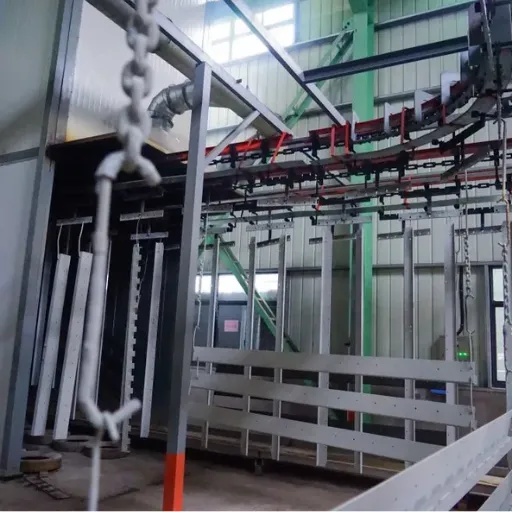 Read More
 -
Conveyor Line Design: A Complete Engineering Guide for Coating Lines
June 26, 2026Last autumn, a hardware manufacturer in Vietnam commissioned a new powder coating line. The pretreatment tunnel, cyclone-recovery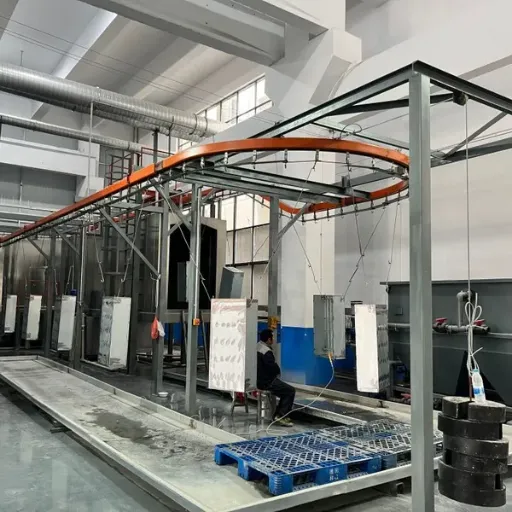 Read More
 -
Overhead Conveyor System: Engineering Guide for Coating Lines
June 26, 2026Last autumn, a hardware manufacturer in Ningbo faced a familiar problem. Their new powder coating line had to fit inside a buildin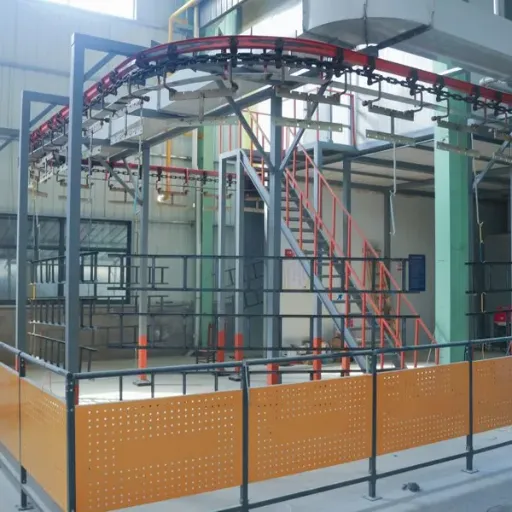 Read More
 -
Industrial Paint Booth: A Complete Engineering Guide for Manufacturers
June 26, 2026When Mike Chen expanded his metal furniture factory in Zhejiang Province last spring, he assumed the new spray area would solve hi Read More

Contact Us
Recommended Products
-
 Industrial Custom Spray Coating Line for Hardware Anti‑Corrosion TreatmentNegotiableMOQ: 1 Set
 -
Industrial Electrophoresis Line for Metal Water Pump Workpieces ProcessingNegotiableMOQ: 1 Set
-
Custom E‑Coating Production Line for Water Pump Parts Surface FinishingNegotiableMOQ: 1 Set
-
China OEM Custom E-Coating Machine and Cathodic Electrophoresis Production LineNegotiableMOQ: 1 Set
-
Industrial Electrophoretic Coating Line With Custom Design for Metal WorkpiecesNegotiableMOQ: 1 Set
-
Intelligent Automated Electrophoretic Coating Line for Powder Coating Production EquipmentNegotiableMOQ: 1 Set
-
Full Automatic Custom Electrophoretic Coating Line for Industrial Metal ComponentsNegotiableMOQ: 1 Set
-
Heavy‑Duty Continuous Powder Coating Line for Big Cabinet Anti‑Corrosion FinishingNegotiableMOQ: 1 Set
-
Energy‑Saving Powder Coating Line for Large Industrial Cabinet Surface ProtectionNegotiableMOQ: 1 Set
-
Environmental Friendly Powder Coating Line With High Recovery for Large CabinetsNegotiableMOQ: 1 Set
-
Large Manual Industrial Curing Oven for Metal Powder Coating MachineryNegotiableMOQ: 1 Set
-
Industrial Plastic Drying Oven With PLC Control and 304 Stainless Steel HopperNegotiableMOQ: 1 Set
-
High Efficiency Plastic Raw Material Dryer for Plastic ProcessingNegotiableMOQ: 1 Set
-
Compact E-Coating System for Small Metal Components in Automotive & Medical Device ProductionNegotiableMOQ: 1 Piece
-
Gantry Transport Type Electrophoretic Coating Line for Industrial WorkpiecesNegotiableMOQ: 1 Set
-
Custom Gantry Electrophoretic Coating Line for Automotive Component FinishingNegotiableMOQ: 1 Set
-
Large Workpiece Stainless Steel Manual Powder Spray Booth With Ventilation SystemNegotiableMOQ: 1 Set
-
Large Capacity Stainless Steel Manual Powder Spray Booth With Powder Recovery SystemNegotiableMOQ: 1 Set
-
Automatic Large Workpiece Powder Spray Booth for Metal FabricationNegotiableMOQ: 1 Set
-
Powder Spraying Room With Stainless Steel Frame and PLC ControlNegotiableMOQ: 1 Set