
 Business License

Industrial Drying Oven: A Complete Guide to Selection, Design, and Operation
A poorly sized industrial drying oven can quietly drain a factory's budget for years before anyone notices.
Plant managers often focus on the spray booth or pretreatment stage when planning a coating line. Yet the oven determines cure quality, energy consumption, and production throughput. Get it wrong, and you face rework, inconsistent film thickness, and utility bills that erode margins every month.
Marcus, a plant manager at a metal furniture factory in Zhejiang, learned this the hard way. In 2023, his team installed a new powder coating line and chose the oven based mainly on purchase price. Within six months, quality complaints rose 18%. Parts near the oven entrance were under-cured, while parts in the center showed discoloration from overheating. After a thermal uniformity survey revealed a 14°C temperature spread across the work envelope, Marcus replaced the oven. The second specification, engineered for ±3°C uniformity, cut rework by 70% and reduced gas consumption per part by 22%.
This guide explains how to select, size, and operate an industrial drying oven for surface finishing applications. You will learn the difference between batch and conveyorized designs, how to calculate the thermal load your workpieces require, which heating source fits your operation, and the control features that protect coating quality. We will also look at common sizing mistakes and how to avoid them.
Deqing Leixin designs and manufactures tunnel-type and bridge-type drying ovens and curing ovens for powder coating, liquid painting, and electrophoresis lines. Our systems range from 300,000 to 1,000,000 kcal thermal capacity with electric, gas, oil, and steam heating options. If you are evaluating an oven for a new line or a retrofit, the principles below apply whether you source from us or another supplier.
What Is an Industrial Drying Oven?
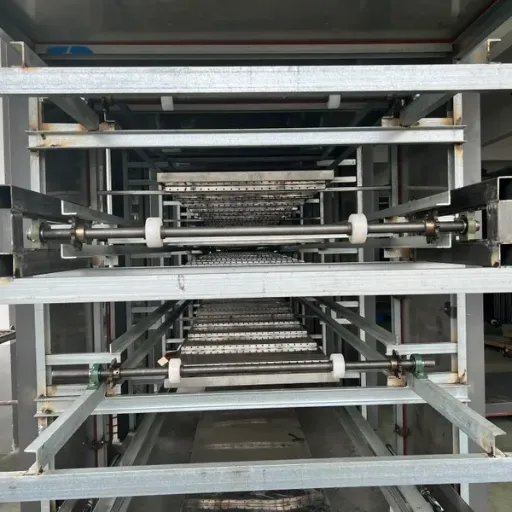
An industrial drying oven is a heated chamber that removes moisture, solvents, or water from materials, or cures applied coatings to a durable finish. In surface finishing, the term covers both drying tunnels that remove water after pretreatment and curing ovens that cross-link powder coating or liquid paint films.
The basic components include:
Heating system, burners, electric elements, steam coils, or infrared panels that raise chamber temperature
Insulated enclosure, typically steel panels with mineral wool or ceramic insulation to retain heat
Air circulation system, fans that distribute heated air evenly across the workpiece load
Conveying system, overhead chain, floor conveyor, or batch carts that move parts through the heated zone
Control system, thermocouples, PLC-based temperature controllers, and human-machine interface (HMI) touch screens
A well-designed industrial drying oven maintains uniform temperature throughout the work envelope, often within ±3°C. It also matches the required heating ramp rate so parts reach cure temperature quickly without overheating sensitive coatings.
Want to see how oven selection affects a complete coating line? Explore our curing oven product range to compare tunnel-type and bridge-type designs.
Engineering Note: Always distinguish between drying and curing when specifying an oven. Drying removes water or solvent. Curing triggers a chemical reaction in the coating. Each process requires a different temperature profile and dwell time.
Batch vs. Conveyorized Industrial Drying Oven Designs
The first decision when selecting an industrial drying oven is whether to use a batch or continuous design.
Batch Ovens
Batch ovens process a fixed quantity of workpieces in a single heating cycle. An operator loads parts onto racks or carts, rolls them into the chamber, closes the door, and starts the programmed temperature profile.
Batch designs work best when:
Production volume is low or intermittent
Workpiece sizes vary widely
Parts require long cure cycles or special handling
Floor space is limited
Capital budget is constrained
The downside is lower throughput and higher labor cost per part. Temperature recovery after door openings also consumes energy.
Conveyorized Ovens and Drying Tunnels
Conveyorized ovens move parts continuously through heated zones on an overhead chain, floor conveyor, or power-and-free system. They suit high-volume operations where consistent cycle times matter.
Conveyorized designs work best when:
Daily output exceeds several hundred parts
Workpiece dimensions are relatively consistent
Line integration with pretreatment and spray booths is required
Energy efficiency at scale is a priority
A tunnel-type drying oven integrated into a coating production line can maintain steady-state operation, which reduces per-part energy consumption compared to repeatedly heating a batch chamber.
How to Size an Industrial Drying Oven Correctly
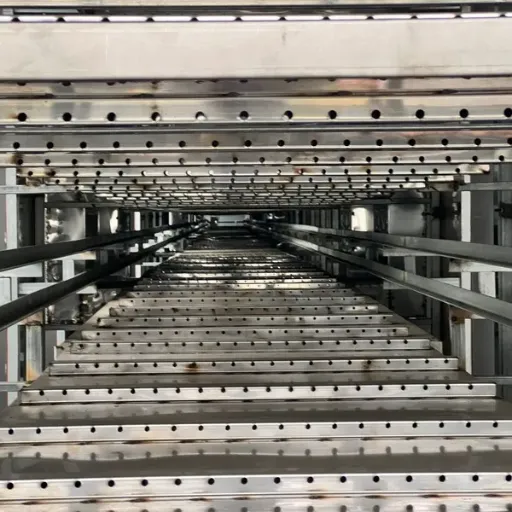
Sizing mistakes are the most common and expensive errors in oven specification. An oven that is too small creates bottlenecks. An oven that is too large wastes capital and energy.
Li Wei, a coating engineer at an automotive parts supplier, faced this exact problem in 2024. His company planned a new powder coating line for wheel brackets with a target output of 2,000 parts per day. The initial oven quotation looked attractive because it was 3 meters shorter than competing designs. After simulation, Li Wei discovered the shorter oven could not achieve the required 18-minute dwell time at 190°C without slowing the conveyor below the spray booth capacity. The bottleneck would have reduced daily output to 1,400 parts. He selected the longer tunnel oven instead, which cost 12% more upfront but delivered the full target throughput from the first production run.
Calculate Thermal Load
The required thermal energy depends on:
Workpiece mass and material, Steel, aluminum, and cast iron have different specific heat capacities
Temperature rise, The difference between ambient and target oven temperature
Conveyor speed and part spacing, Determines how much mass enters the oven per minute
Coating cure requirements, Powder coatings typically cure at 180-200°C; liquid paints vary by chemistry
Heat losses, Through insulation, exhaust air, and door or tunnel openings
A simplified load calculation starts with the parts' weight per hour, the specific heat of the substrate, and the required temperature rise. Then add a safety factor of 20-30% for conveyor mass, fixtures, and heat losses.
For example, a line processing 500 kg of steel parts per hour with a 160°C temperature rise requires roughly 23 kWh of sensible heat for the metal alone. Add conveyor chains, hangers, insulation losses, and exhaust makeup air, and the actual requirement may double.
Determine Dwell Time
Dwell time is the length of time a part spends at cure temperature. Powder coating suppliers specify both temperature and time at temperature, usually 10-20 minutes at 180-200°C. The oven must be long enough or the conveyor slow enough to achieve this dwell while matching upstream production rate.
Allow for Future Capacity
When planning a new coating line, target at least 20% throughput margin above current peak demand. This accommodates seasonal spikes and future growth without requiring immediate oven replacement.
Heating Source Selection for Your Industrial Drying Oven
The choice between electric, gas, oil, and steam heating affects operating cost, installation complexity, and environmental compliance.
Electric Heating
Electric ovens use resistance elements to heat recirculated air. They offer precise temperature control, low emissions, and simple installation where three-phase power is available.
Advantages:
Clean operation with no combustion byproducts
Fast response to temperature adjustments
Lower maintenance than burner systems
Suitable for environments with strict emission limits
Disadvantages:
Higher operating cost where electricity is expensive
Limited to sites with adequate electrical capacity
Slower recovery after door openings in large batch ovens
Gas-Fired Heating
Gas-fired ovens use direct or indirect burners. Indirect-fired designs keep combustion gases separate from recirculated air, protecting coating quality.
Advantages:
Lower fuel cost in regions with inexpensive natural gas
Fast heat-up and recovery
High thermal output for large ovens
Disadvantages:
Requires gas supply and combustion air management
Needs exhaust systems for combustion products
Higher maintenance than electric systems
Oil and Steam Heating
Oil-fired burners suit sites without natural gas infrastructure. Steam heating works where a plant already has boiler capacity. Both can be cost-effective but require additional support equipment.
For a deeper comparison of energy options, see our gas vs electric curing oven comparison.
Temperature Control and Airflow Design
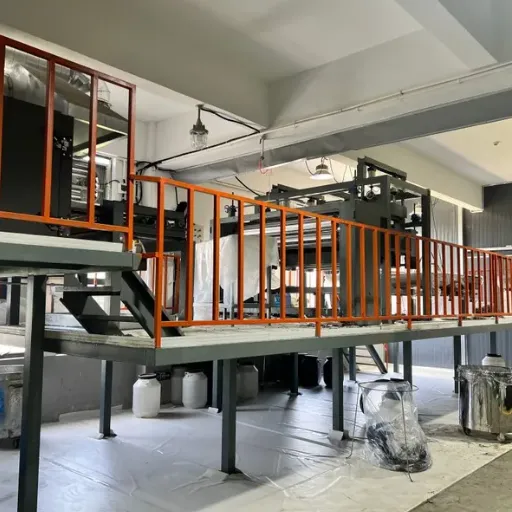
Uniform temperature and airflow separate a reliable industrial drying oven from one that produces inconsistent finishes.
Temperature Uniformity
Coating quality depends on every part reaching and holding the target temperature. Hot spots cause over-cure, discoloration, or brittle films. Cold spots leave coatings under-cured, reducing adhesion and corrosion resistance.
Deqing Leixin ovens are engineered for temperature uniformity within ±3°C across the work envelope. This is achieved through:
Multiple heating zones with independent controls
Recirculation fans sized for adequate air changes
Baffles and ducting that distribute air evenly
304 stainless steel liners that reflect heat consistently
Airflow Patterns
Airflow can be vertical, horizontal, or a combination. The right pattern depends on workpiece geometry. Large flat panels benefit from top-down airflow. Parts with recesses or internal cavities may need directed nozzles or higher air velocity.
Exhaust airflow must also be balanced. Too little exhaust traps solvent vapors or powder cure byproducts. Too much exhaust wastes energy by dumping heated air.
PLC and HMI Control
Modern industrial drying ovens use a Programmable Logic Controller (PLC) with a touch-screen Human-Machine Interface (HMI). Operators can store recipes for different coatings, monitor temperatures in real time, and receive alarms for deviations.
Optional features include:
Remote monitoring via industrial network
Large-screen production displays
Data logging for quality traceability
Automatic temperature profiling after recipe selection
Integration With Coating Production Lines
An industrial drying oven rarely operates alone. It must integrate with pretreatment, spray application, and conveying systems.
Line Layout Considerations
The oven position in the line depends on the coating process:
After pretreatment, Drying tunnel removes residual water before powder or paint application
After spray booth, Curing oven cross-links the coating film
Between coats, Flash-off or intermediate drying in multi-coat systems
The oven length, conveyor speed, and part spacing must match the upstream spray booth capacity. If the oven cannot keep pace, the entire line slows.
Conveying System Coordination
The overhead conveyor system or ground conveyor must transition smoothly into and out of the oven. Hangers and fixtures must withstand oven temperatures without deforming or contaminating coatings.
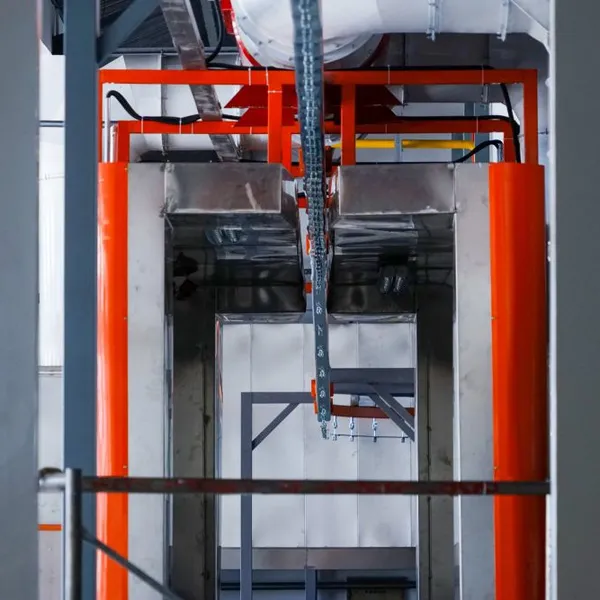
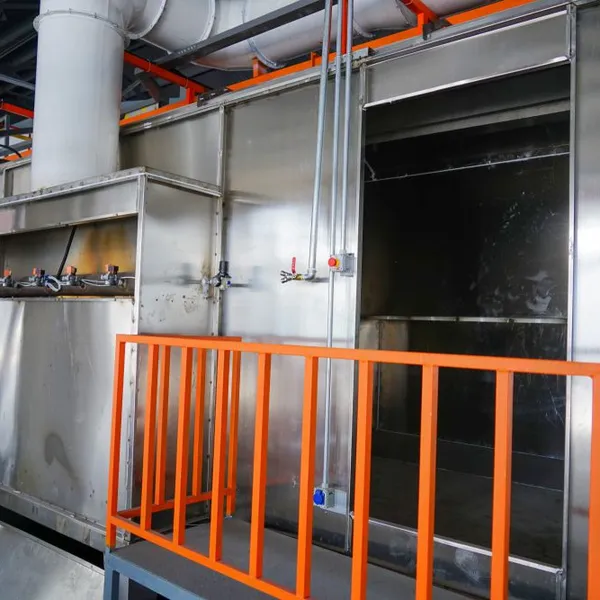
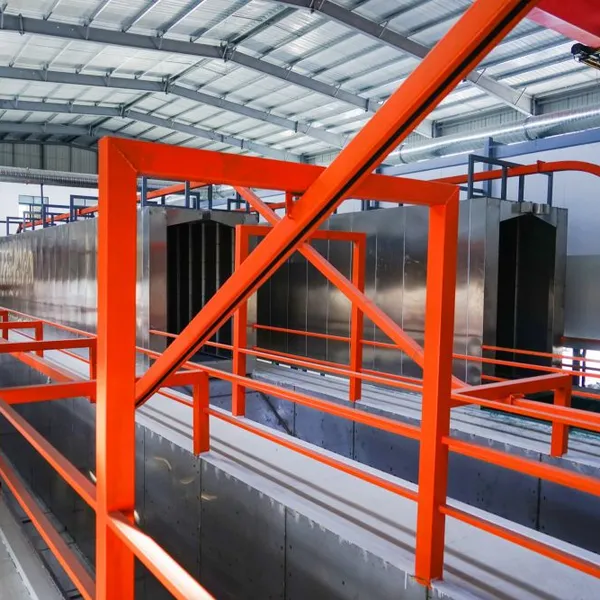
In tunnel-type ovens, the conveyor passes through insulated vestibules or curtains at each end to minimize heat loss. Bridge-type ovens use an elevated curing zone with ramps at each end, which helps contain heat and prevent floor-level drafts from cooling parts.
Planning a complete coating line? Deqing Leixin provides turnkey powder coating production lines that integrate drying ovens, spray booths, pretreatment systems, and conveying as one engineered system.
Common Industrial Drying Oven Mistakes and How to Avoid Them
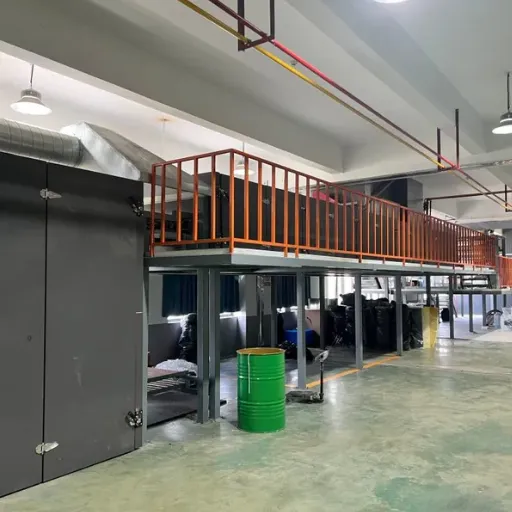
Even experienced engineers can overlook details that affect long-term performance.
Undersizing the Oven
An undersized oven cannot maintain temperature when production runs at full capacity. Parts exit under-cured, leading to adhesion failures and warranty claims. Always calculate thermal load at peak production, not average.
Ignoring Conveyor Thermal Mass
Hangers, fixtures, and conveyor chain absorb heat continuously. In high-volume lines, the thermal mass of the conveying system can equal or exceed the parts being coated. Include this in load calculations.
Poor Insulation
Thin or low-quality insulation increases heat loss and exterior surface temperatures. Over a five-year period, the extra energy cost can exceed the initial savings from a cheaper oven shell.
Inadequate Exhaust
Insufficient exhaust creates safety hazards with solvent-based coatings. Excessive exhaust wastes energy. Size exhaust fans based on coating chemistry and local codes.
Neglecting Maintenance Access
Oven fans, burners, filters, and conveyors need regular service. Ensure the design includes access doors, inspection ports, and sufficient clearance around the unit.
Maintenance and Operational Best Practices
A well-maintained industrial drying oven delivers consistent quality and longer service life.
Sarah, a maintenance supervisor at an appliance panel coating plant, runs a quarterly temperature uniformity survey on her gas-fired tunnel oven. In early 2025, she noticed a gradual 4°C drift in zone three over three months. The data log showed the recirculation fan running at reduced speed. Her team replaced the fan bearings during a planned weekend shutdown. When the line restarted, the temperature profile returned to within ±3°C. Catching the issue early prevented three weeks of off-spec production and an emergency repair during peak season.
Daily Checks
Verify temperature readings against setpoints at multiple zones
Inspect conveyor chain lubrication and track alignment
Check exhaust airflow and fan operation
Remove debris from oven interior that could contaminate parts
Weekly Checks
Inspect burner flames or heating elements for irregular operation
Clean air circulation filters
Check door seals and tunnel curtains for gaps
Review HMI alarm history
Scheduled Maintenance
Replace recirculation fan bearings according to manufacturer intervals
Calibrate thermocouples annually
Inspect insulation and repair damaged panels
Test safety interlocks and over-temperature protection
Engineering Note: Document every maintenance action. Temperature uniformity tests performed quarterly create a baseline that helps identify degradation before quality issues appear.
Conclusion
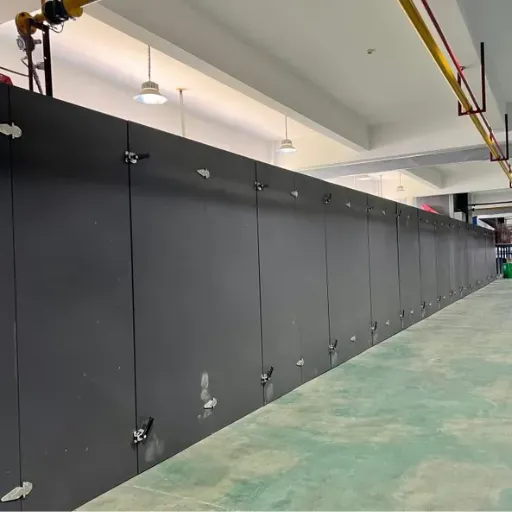
Choosing the right industrial drying oven means balancing throughput, energy cost, coating requirements, and factory layout. Batch ovens offer flexibility for low-volume or varied work. Conveyorized tunnel ovens deliver efficiency and consistency at scale. Either way, accurate thermal load calculations, proper airflow design, and precise temperature control determine whether your coating line meets specification day after day.
Key takeaways:
Size the oven for peak production plus 20% margin, not average load
Match heating source to local energy costs and infrastructure
Demand temperature uniformity within ±3°C for consistent coating quality
Include conveyor and fixture thermal mass in load calculations
Integrate the oven with pretreatment, spray, and conveying systems as a single production line
Plan maintenance access and calibration schedules from the start
If you are planning a coating line or replacing an existing oven, Deqing Leixin provides free design drawings and turnkey project engineering. Request a free line design drawing and our engineers will size an industrial drying oven around your workpiece dimensions, daily output, and heating preference.
Frequently Asked Questions
What is the difference between a drying oven and a curing oven?
A drying oven removes moisture or solvents from a surface. A curing oven raises the coating to a temperature where it chemically cross-links or hardens. In powder coating, the same oven often performs both functions because the powder melts, flows, and then cures in one continuous heating cycle.
How long does an industrial drying oven last?
With proper maintenance, a well-built industrial drying oven can operate for 15-20 years. Key wear items include fan bearings, burner components, heating elements, door seals, and conveyor chains. Regular calibration and preventive maintenance extend service life significantly.
Can one oven handle both powder coating and liquid painting?
Sometimes, but only if temperature ranges overlap and cross-contamination risks are managed. Powder coating typically cures at 180-200°C. Liquid paint systems may cure at lower temperatures. Switching between chemistries requires thorough cleaning and validation of temperature profiles.
Recently Posted
-
Conveyor Speed Calculation for Coating Lines: A Complete Guide
June 26, 2026Last March, a hardware manufacturer in Ningbo raised the chain speed on its powder coating line by 15% to clear a backlog. Three d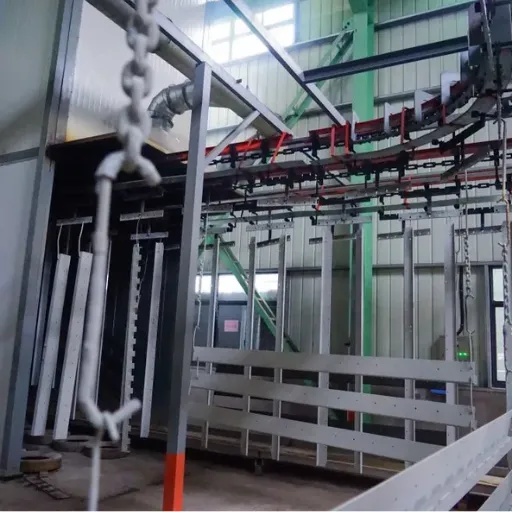 Read More
 -
Conveyor Line Design: A Complete Engineering Guide for Coating Lines
June 26, 2026Last autumn, a hardware manufacturer in Vietnam commissioned a new powder coating line. The pretreatment tunnel, cyclone-recovery Read More
 -
Overhead Conveyor System: Engineering Guide for Coating Lines
June 26, 2026Last autumn, a hardware manufacturer in Ningbo faced a familiar problem. Their new powder coating line had to fit inside a buildin Read More
 -
Industrial Paint Booth: A Complete Engineering Guide for Manufacturers
June 26, 2026When Mike Chen expanded his metal furniture factory in Zhejiang Province last spring, he assumed the new spray area would solve hi Read More

Contact Us
Recommended Products
-
 Industrial Custom Spray Coating Line for Hardware Anti‑Corrosion TreatmentNegotiableMOQ: 1 Set
 -
Industrial Electrophoresis Line for Metal Water Pump Workpieces ProcessingNegotiableMOQ: 1 Set
-
Custom E‑Coating Production Line for Water Pump Parts Surface FinishingNegotiableMOQ: 1 Set
-
China OEM Custom E-Coating Machine and Cathodic Electrophoresis Production LineNegotiableMOQ: 1 Set
-
Industrial Electrophoretic Coating Line With Custom Design for Metal WorkpiecesNegotiableMOQ: 1 Set
-
Intelligent Automated Electrophoretic Coating Line for Powder Coating Production EquipmentNegotiableMOQ: 1 Set
-
Full Automatic Custom Electrophoretic Coating Line for Industrial Metal ComponentsNegotiableMOQ: 1 Set
-
Heavy‑Duty Continuous Powder Coating Line for Big Cabinet Anti‑Corrosion FinishingNegotiableMOQ: 1 Set
-
Energy‑Saving Powder Coating Line for Large Industrial Cabinet Surface ProtectionNegotiableMOQ: 1 Set
-
Environmental Friendly Powder Coating Line With High Recovery for Large CabinetsNegotiableMOQ: 1 Set
-
Large Manual Industrial Curing Oven for Metal Powder Coating MachineryNegotiableMOQ: 1 Set
-
Industrial Plastic Drying Oven With PLC Control and 304 Stainless Steel HopperNegotiableMOQ: 1 Set
-
High Efficiency Plastic Raw Material Dryer for Plastic ProcessingNegotiableMOQ: 1 Set
-
Compact E-Coating System for Small Metal Components in Automotive & Medical Device ProductionNegotiableMOQ: 1 Piece
-
Gantry Transport Type Electrophoretic Coating Line for Industrial WorkpiecesNegotiableMOQ: 1 Set
-
Custom Gantry Electrophoretic Coating Line for Automotive Component FinishingNegotiableMOQ: 1 Set
-
Large Workpiece Stainless Steel Manual Powder Spray Booth With Ventilation SystemNegotiableMOQ: 1 Set
-
Large Capacity Stainless Steel Manual Powder Spray Booth With Powder Recovery SystemNegotiableMOQ: 1 Set
-
Automatic Large Workpiece Powder Spray Booth for Metal FabricationNegotiableMOQ: 1 Set
-
Powder Spraying Room With Stainless Steel Frame and PLC ControlNegotiableMOQ: 1 Set