
 Business License

Powder Coating Oven Temperature: Settings, Control, and Defect Prevention
What if your curing oven is running at the right air temperature, but your parts are still under-cured? Across powder coating shops, this mismatch between setpoint and reality causes more rework than almost any other process variable. The controller may read 190°C, yet the peak metal temperature on a thick casting never reaches the cure window.
Powder coating oven temperature is the thermal profile that transforms electrostatically applied powder into a continuous, protective film in an electrostatic powder coating line. It includes the air setpoint, the peak metal temperature (PMT) on the workpiece, the dwell time at that temperature, and the uniformity across the chamber. Get these four elements right, and you produce durable, attractive finishes. Get one wrong, and defects multiply.
In this guide, you'll learn how to set powder coating oven temperature for common powder chemistries, why peak metal temperature matters more than air temperature, how to maintain uniformity, and how to diagnose temperature-related defects. You'll also see how modern control systems and routine monitoring protect quality over time.
Want to see how precision temperature control fits your production line? Request a Free Line Design Drawing and our engineers will size a curing oven around your powder, workpiece, and output targets.
What Is Powder Coating Oven Temperature?
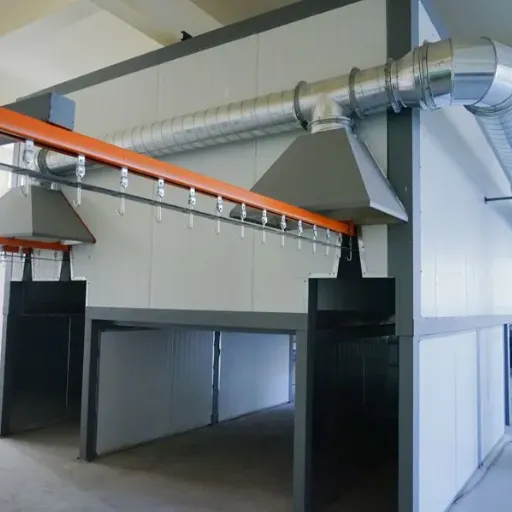
Powder coating oven temperature is the controlled heat applied to melt, flow, and chemically cross-link powder particles into a solid coating. The process requires enough energy to raise the workpiece surface to the powder's cure window. It must then hold that temperature for the required time.
Most thermosetting powders cure between 170°C and 200°C (338°F and 392°F) for 10 to 20 minutes at the workpiece surface. However, the air temperature in the oven chamber is only the starting point. The real measure of cure is the peak metal temperature, which is the highest temperature reached on the actual part. A thin aluminum panel may reach PMT in 5 minutes, while a thick steel bracket may need 15 minutes under the same air temperature.
This distinction matters because many operators adjust the oven controller without measuring what happens on the workpiece. The result can be under-cure on heavy parts, over-cure on thin parts, or color variation across mixed loads.
Standard Powder Coating Cure Temperature by Chemistry
Different powder formulations require different powder coating cure temperature windows. Always start with the powder supplier's technical data sheet, but the following ranges are typical for production planning.
| Powder Type | Cure Temperature Range | Typical Cure Time | Common Applications |
|---|---|---|---|
| Pure Polyester | 180°C - 190°C | 10 - 15 min | Outdoor furniture, architectural profiles |
| Epoxy-Polyester Hybrid | 180°C - 200°C | 15 - 20 min | General industrial, shelving |
| Pure Epoxy | 180°C - 200°C | 15 - 20 min | Interior fixtures, electrical enclosures |
| Polyurethane | 170°C - 180°C | 15 - 20 min | Automotive trim, decorative parts |
| High-Durability Fluoropolymer | 200°C - 230°C | 15 - 25 min | Coastal/architectural, premium outdoor |
These values are measured at the workpiece surface, not the air. A common mistake is to set the oven controller to 190°C and assume every part sees 190°C. In reality, part mass, airflow, and loading density all shift the actual PMT.
Why Peak Metal Temperature Beats Air Temperature
Air temperature is easy to measure, but it doesn't tell you whether the coating has cured. The Powder Coating Institute emphasizes that cure quality depends on reaching and holding the correct peak metal temperature, not just heating the surrounding air.
How Thermal Mass Changes PMT
Thermal mass is the amount of heat a workpiece can absorb. A 0.8 mm steel appliance panel has low thermal mass and heats quickly. A 12 mm cast-iron automotive mount has high thermal mass and heats slowly. If both parts travel through the same tunnel oven at the same conveyor speed, the panel may over-bake while the mount under-cures.
When Omar Hassan ran a mixed line at an Egyptian hardware factory in 2022, he faced exactly this problem. His oven controller held 185°C, yet salt-spray failures on thick brackets reached 18%. Data-logging revealed the brackets peaked at only 172°C, while thin hooks reached 195°C.
By extending oven dwell time 3 minutes and adding a preheat zone, he eliminated the salt-spray failures. Rework dropped by 80%.
Measuring PMT in Production
The most reliable way to verify PMT is to attach a magnetic or clip-on thermocouple to a production workpiece and run it through the oven. The data logger produces a temperature-versus-time curve that you can compare directly against the powder supplier's cure schedule. This test should be repeated whenever you change powder chemistry, part geometry, or line speed.
Curing Oven Temperature Settings for Batch vs. Tunnel Ovens
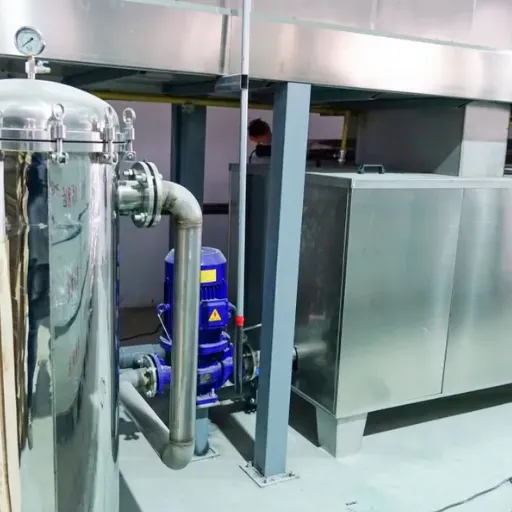
Your oven configuration changes how you set and manage temperature. Batch and tunnel ovens use different control strategies, and each has its own best practices.
Batch Oven Settings
In a batch oven, the workpieces are stationary. The temperature profile follows a ramp-soak pattern:
Ramp: The oven and load heat from ambient to target temperature.
Soak: The workpieces hold at target temperature for the required cure time.
Cool: The load cools before unloading.
For batch ovens, place the thermocouple at the thickest, heaviest section of the largest workpiece. The soak timer should start only when that thermocouple reaches the minimum cure temperature. Correct curing oven temperature settings account for ramp time, not just the soak setpoint. Opening the door too early, or overloading the oven, extends ramp time and reduces effective cure.
Tunnel Oven Settings
In a tunnel oven, conveyor speed and zone temperatures define the profile. The formula is simple:
Dwell time = Oven working length ÷ Conveyor speed
If your oven is 30 meters long and your conveyor runs at 2 meters per minute, dwell time is 15 minutes. Adjust zone setpoints and conveyor speed until the slowest-heating workpiece reaches PMT for the full required powder coating cure time.
Deqing Leixin tunnel-type curing ovens are built with multiple temperature zones and ±3°C uniformity control. This allows operators to create staged profiles that prevent over-bake on thin parts while fully curing heavy parts.
Powder Coating Oven Temperature Uniformity: The Hidden Cause of Color and Gloss Defects
Uniformity is what separates a reliable oven from a source of defects. A chamber that reads 190°C on the controller may have hot spots at 198°C and cold zones at 182°C. That 16°C spread is enough to produce visible color shift, gloss variation, and adhesion problems on sensitive powders.
What Causes Non-Uniformity?
Poor airflow design: Blocked or undersized ducts create dead zones.
Burner misalignment: One side of the chamber heats faster than the other.
Overloading: Too many parts packed too closely block convection.
Worn fans or filters: Reduced air circulation lowers mixing efficiency.
Door seal leaks: Heat loss near openings creates cold zones.
Temperature Mapping Protocol
During commissioning or troubleshooting, map the oven with a grid of thermocouples. A nine-point grid is standard for batch ovens, while tunnel ovens may need a twelve-point or fifteen-point grid across multiple zones. ASTM International publishes temperature uniformity survey methods that engineers use to validate industrial oven performance. The goal is ±5°C chamber uniformity or better for most powder coatings.
When a Polish appliance manufacturer noticed gloss differences between the left and right sides of refrigerator panels, temperature mapping showed a 9°C side-to-side gradient. Replacing a clogged filter and adjusting a baffle brought the difference within ±3°C. The gloss variation disappeared within one shift.
How Energy Source Affects Temperature Control
The heating technology you choose influences how precisely you can maintain powder coating oven temperature and how much it costs to do so.
Gas-Fired Ovens
Gas burners provide high thermal output and rapid recovery. They work well for large tunnel ovens and high-mass workloads. Modern forced-convection gas ovens can hold ±3°C uniformity.
However, combustion systems require safety controls, exhaust management, and regular burner maintenance. Gas-fired ovens must comply with NFPA 86 and local codes for ovens and furnaces.
Electric Ovens
Electric resistance heating offers the cleanest operation and finest control. Electric ovens are ideal for batch operations, clean-room environments, or regions where electricity is inexpensive. The trade-off is higher operating cost per unit of heat in most markets.
Infrared and Hybrid Systems
Infrared curing delivers radiant energy directly to the workpiece surface. It can cut cure time by 30% to 50% for suitable geometries. Hybrid systems combine IR preheat with convection finishing to speed curing without overheating temperature-sensitive substrates.
For a deeper energy comparison, read our guide on gas vs electric curing oven selection.
Common Powder Coating Oven Temperature Defects and Their Fixes
Temperature problems usually show up quickly in finished parts. Recognizing the pattern saves hours of misdirected troubleshooting.
Under-Cure
Under-cured powder feels soft, fails solvent-rub tests, and shows poor adhesion and corrosion resistance. Causes include:
Line speed too fast for the oven length and temperature
Thermocouple drift causing actual temperature below setpoint
Overloading beyond the oven's thermal capacity
Cold zones where parts never reach PMT
Fix: Use a data logger to verify actual PMT. Adjust conveyor speed, zone setpoints, or loading density until the full cure window is achieved.
Over-Cure
Over-cured powder becomes brittle, discolored, or chalky. Gloss levels drop, and mechanical performance suffers. Causes include:
Oven temperature set too high for the powder chemistry
Conveyor stoppage without temperature reduction
Small parts over-baking while large parts cure
Fix: Confirm the powder's maximum recommended temperature. Use multi-zone control for mixed workloads, and add a cool-down zone if needed.
Color Variation and Gloss Loss
Even when overall cure is adequate, non-uniform temperature can cause visible color shift or gloss differential on large panels. This is especially problematic for appliance doors, elevator panels, and architectural extrusions.
Fix: Perform chamber temperature mapping and adjust airflow, burner alignment, or baffles until uniformity reaches ±5°C or better.
Environmental and Seasonal Effects on Powder Coating Oven Temperature
Powder coating oven temperature is not constant year-round. Ambient temperature, humidity, and ventilation all affect how quickly the oven reaches setpoint and how stable it stays.
Cold Weather Start-Up
In winter, incoming makeup air can be 20°C to 30°C colder than in summer. Preheating makeup air or extending oven warm-up time prevents cold spots during the first production runs.
High-Humidity Conditions
Humid air carries more moisture into the oven. This can affect powder flow and extend the time needed to reach PMT. Maintaining dry compressed air and controlled booth conditions reduces this effect.
Summer Heat Load
In hot climates, oven walls and control panels may run warmer. Check insulation integrity and control cabinet ventilation to prevent electronic drift or exterior surface temperatures above safe limits.
Modern Powder Coating Oven Temperature Control and Monitoring Systems
Today's curing ovens use programmable control systems to maintain powder coating oven temperature, log data, and alarm on deviation. These systems reduce operator dependence and improve traceability.
PLC and Zone Control
A Programmable Logic Controller (PLC) manages zone temperatures, burner firing, conveyor speed, and safety interlocks. Deqing Leixin PLC touch-screen control systems give operators recipe management, alarm handling, and trend displays. Multi-zone ovens allow different setpoints for preheat, cure, and cool-down stages. This is essential for mixed product lines.
Thermocouple Placement Best Practices
Thermocouples should measure air temperature representative of the workpiece environment. They should be shielded from direct burner radiation and distributed across the chamber. For zone control, place at least one thermocouple per zone near the workpiece path.
Data Logging and Alarms
Modern systems log temperature data continuously and trigger alarms when temperatures drift outside tolerance. This documentation supports quality audits and helps correlate defects with thermal events.
Designing Powder Coating Oven Temperature Control into a New Line
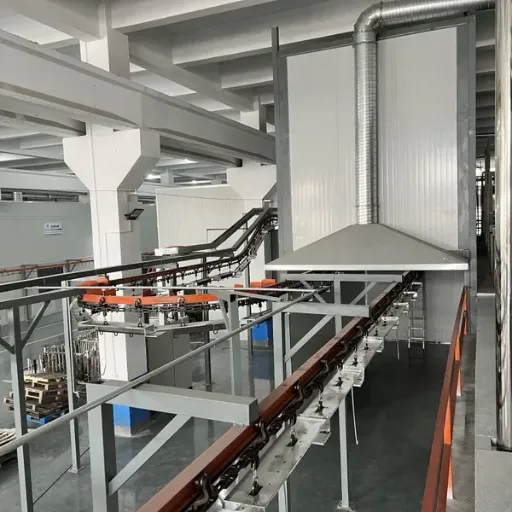
If you're planning a new coating production line, specify the curing oven during the layout phase. Getting powder coating oven temperature right from the start prevents costly compromises in oven length, energy source, or conveyor routing.
Key Inputs for Oven Sizing
Maximum workpiece dimensions and weight
Powder chemistry and required cure window
Required daily output and line speed
Available energy source and cost structure
Factory floor space and height constraints
Required temperature uniformity class
Deqing Leixin engineers calculate thermal load, air velocity, and conveyor speed to ensure the oven meets your exact cure profile. This includes heat-loss calculations through walls, openings, and conveyor fixtures.
Planning a new powder coating line? See our guide to powder coating line design for a complete layout approach from surface pretreatment through curing.
Routine Maintenance for Stable Powder Coating Oven Temperature
Long-term stability depends on maintenance, not just good design. A few routine tasks protect cure quality and reduce energy waste.
Monthly Checks
Inspect thermocouples for damage or corrosion.
Verify burner flame pattern and combustion air supply.
Clean or replace air filters on recirculation fans.
Check door seals and curtains for heat leaks.
Quarterly Checks
Calibrate all thermocouples against a certified reference.
Run a PMT data-logging study on representative workpieces.
Inspect ductwork and baffles for powder accumulation or damage.
Review temperature logs for drift or abnormal patterns.
Annual Checks
Perform a full chamber temperature uniformity survey.
Inspect insulation and exterior skin for damage.
Service burners, heating elements, and fans per manufacturer recommendations.
Update cure recipes based on any powder chemistry changes.
Conclusion
Powder coating oven temperature is more than a number on a controller. It is a system of setpoints, peak metal temperatures, dwell times, and chamber uniformity that must match your powder chemistry and workpiece geometry. Operators who measure PMT, map uniformity, and maintain control systems produce better finishes with less scrap and lower energy cost.
Key takeaways:
Reference the powder supplier's cure window and measure peak metal temperature on actual parts.
Size oven dwell time and powder coating cure time for the slowest-heating workpiece in your product mix.
Maintain oven temperature uniformity within ±5°C to prevent color and gloss defects.
Choose your heating source based on local energy costs, precision needs, and environmental constraints.
Calibrate thermocouples quarterly and log PMT monthly.
Involve your oven supplier early in line design to avoid costly compromises.
A well-controlled curing stage turns powder into a durable, attractive finish while protecting throughput and operating cost. Whether you are troubleshooting an existing oven or specifying a new line, careful temperature management pays dividends in quality and reliability.
Get a Turnkey Project Quotation for your powder coating oven temperature requirements or complete coating production line. Submit your workpiece dimensions, powder specifications, and output targets, and our engineering team will respond with a custom thermal design and quotation.
Recently Posted
-
Conveyor Speed Calculation for Coating Lines: A Complete Guide
June 26, 2026Last March, a hardware manufacturer in Ningbo raised the chain speed on its powder coating line by 15% to clear a backlog. Three d Read More
 -
Conveyor Line Design: A Complete Engineering Guide for Coating Lines
June 26, 2026Last autumn, a hardware manufacturer in Vietnam commissioned a new powder coating line. The pretreatment tunnel, cyclone-recovery Read More
 -
Overhead Conveyor System: Engineering Guide for Coating Lines
June 26, 2026Last autumn, a hardware manufacturer in Ningbo faced a familiar problem. Their new powder coating line had to fit inside a buildin Read More
 -
Industrial Paint Booth: A Complete Engineering Guide for Manufacturers
June 26, 2026When Mike Chen expanded his metal furniture factory in Zhejiang Province last spring, he assumed the new spray area would solve hi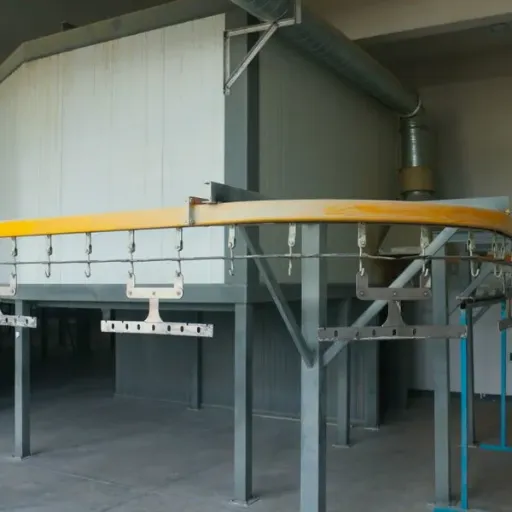 Read More

Contact Us
Recommended Products
-
 Industrial Custom Spray Coating Line for Hardware Anti‑Corrosion TreatmentNegotiableMOQ: 1 Set
 -
Industrial Electrophoresis Line for Metal Water Pump Workpieces ProcessingNegotiableMOQ: 1 Set
-
Custom E‑Coating Production Line for Water Pump Parts Surface FinishingNegotiableMOQ: 1 Set
-
China OEM Custom E-Coating Machine and Cathodic Electrophoresis Production LineNegotiableMOQ: 1 Set
-
Industrial Electrophoretic Coating Line With Custom Design for Metal WorkpiecesNegotiableMOQ: 1 Set
-
Intelligent Automated Electrophoretic Coating Line for Powder Coating Production EquipmentNegotiableMOQ: 1 Set
-
Full Automatic Custom Electrophoretic Coating Line for Industrial Metal ComponentsNegotiableMOQ: 1 Set
-
Heavy‑Duty Continuous Powder Coating Line for Big Cabinet Anti‑Corrosion FinishingNegotiableMOQ: 1 Set
-
Energy‑Saving Powder Coating Line for Large Industrial Cabinet Surface ProtectionNegotiableMOQ: 1 Set
-
Environmental Friendly Powder Coating Line With High Recovery for Large CabinetsNegotiableMOQ: 1 Set
-
Large Manual Industrial Curing Oven for Metal Powder Coating MachineryNegotiableMOQ: 1 Set
-
Industrial Plastic Drying Oven With PLC Control and 304 Stainless Steel HopperNegotiableMOQ: 1 Set
-
High Efficiency Plastic Raw Material Dryer for Plastic ProcessingNegotiableMOQ: 1 Set
-
Compact E-Coating System for Small Metal Components in Automotive & Medical Device ProductionNegotiableMOQ: 1 Piece
-
Gantry Transport Type Electrophoretic Coating Line for Industrial WorkpiecesNegotiableMOQ: 1 Set
-
Custom Gantry Electrophoretic Coating Line for Automotive Component FinishingNegotiableMOQ: 1 Set
-
Large Workpiece Stainless Steel Manual Powder Spray Booth With Ventilation SystemNegotiableMOQ: 1 Set
-
Large Capacity Stainless Steel Manual Powder Spray Booth With Powder Recovery SystemNegotiableMOQ: 1 Set
-
Automatic Large Workpiece Powder Spray Booth for Metal FabricationNegotiableMOQ: 1 Set
-
Powder Spraying Room With Stainless Steel Frame and PLC ControlNegotiableMOQ: 1 Set