
 Business License

Electrophoretic Coating Line: A Complete Guide for Manufacturers
A single corrosion failure in an automotive chassis component can trigger a recall costing millions and damage a supplier's reputation for years. For manufacturers of metal parts that must survive salt spray, humidity, and road chemicals, the finish line is not a place to gamble. An electrophoretic coating line delivers primer-grade corrosion protection with complete coverage, even inside cavities and along sharp edges where other coating methods struggle.
This guide explains how an e-coat line works, what equipment it requires, where it outperforms alternatives, and how to design one around your workpieces and production targets. Whether you are evaluating your first ED coating production line or upgrading an existing operation, you will leave with clear decision criteria and practical next steps.
What Is an Electrophoretic Coating Line?
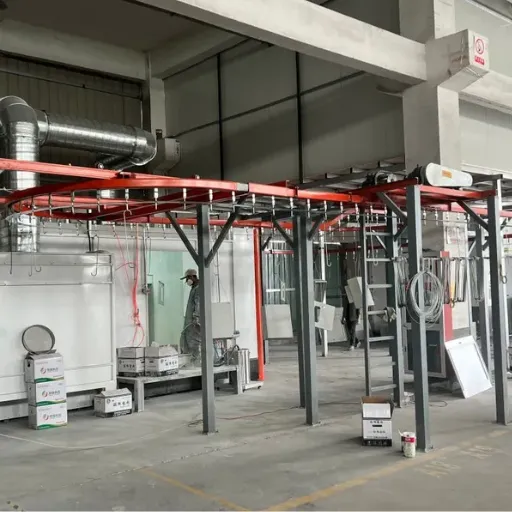
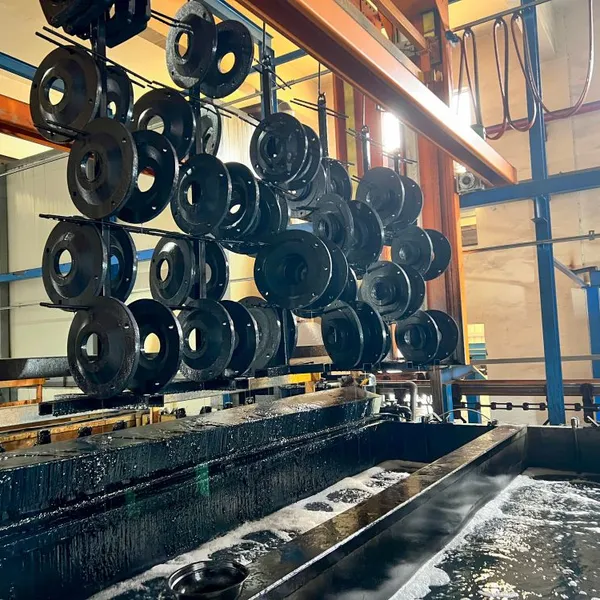
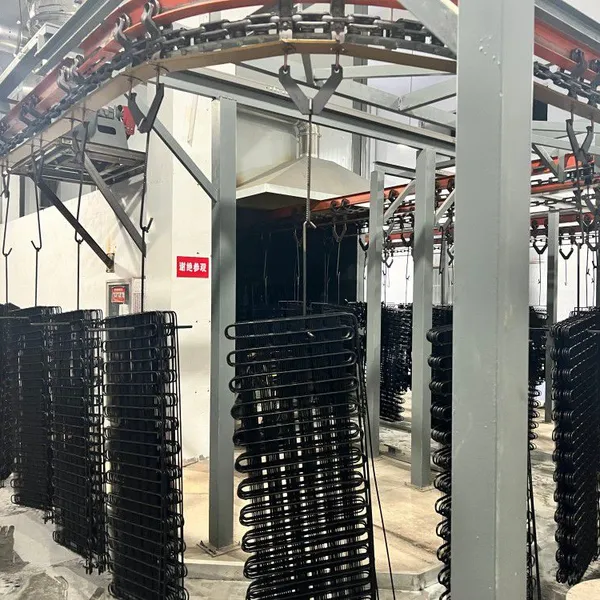
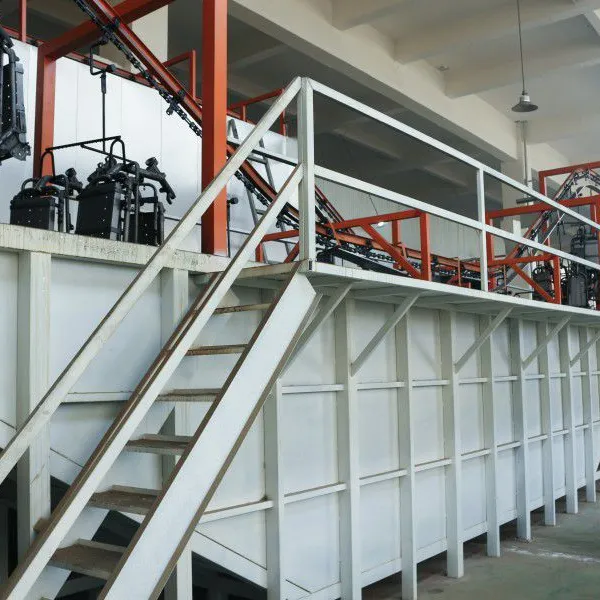
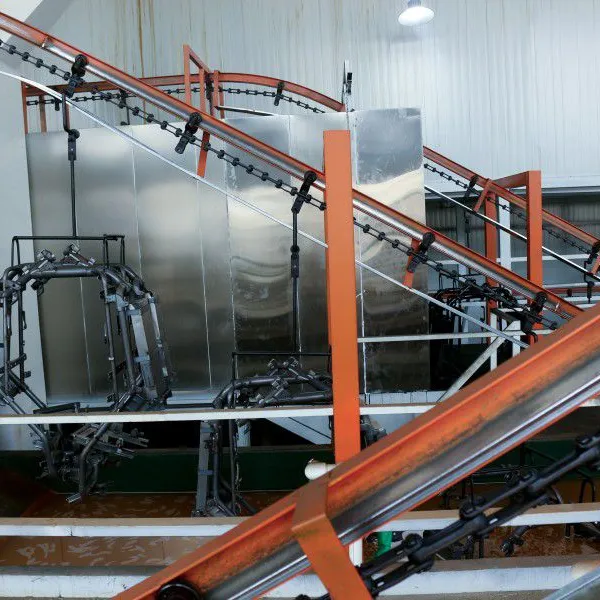
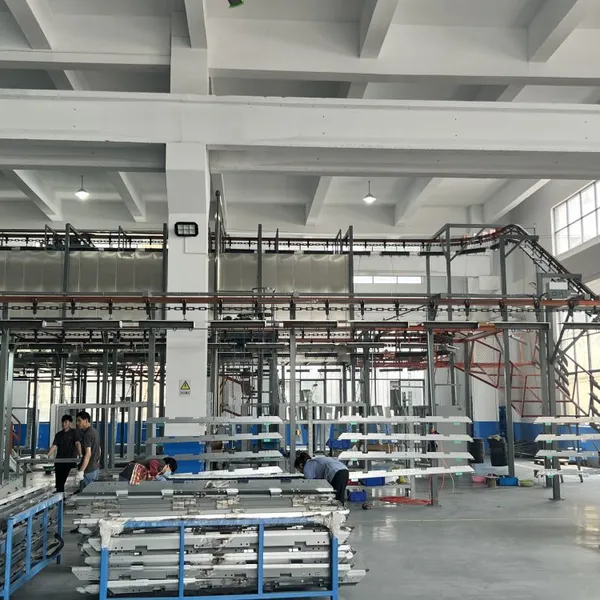
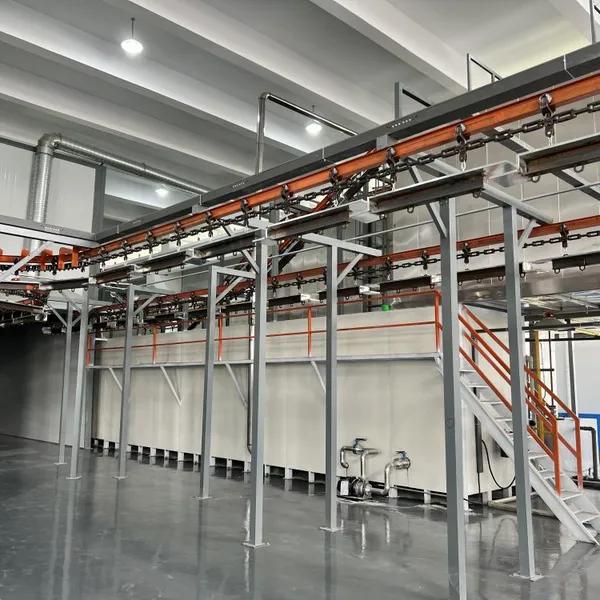
An electrophoretic coating line is an integrated production system that applies a waterborne paint film to conductive metal workpieces using electrical current. The process is also called e-coating, electrocoating, or ED (Electrophoretic Deposition) coating. A complete line moves parts through pretreatment, an immersion tank containing the paint bath, a rinsing and recovery stage, and a curing oven.
The defining advantage of e-coat is its ability to coat every exposed surface of a complex part. Because the part is fully submerged and the paint particles migrate toward the metal under electrical influence, interior corners, weld seams, and tubular sections receive the same protective film as flat outer surfaces.
A typical ED coating production line includes:
Loading/unloading station
Surface pretreatment system
Electrophoretic dip tank with rectifier
Ultrafiltration recovery rinse
Pure water rinse
Curing oven
Conveying system
PLC-based control system with HMI
Engineering Note: E-coat is almost always used as a primer or corrosion-barrier layer. It is frequently topcoated with powder coating or liquid paint for color, gloss, and UV resistance in demanding exterior applications.
How the Electrophoretic Coating Process Works
Understanding the process helps you specify the right equipment and control parameters. The electrophoretic coating process operates in five main stages.
1. Pretreatment
Oil, rust, scale, and shop soils must be removed before e-coating. Parts pass through a multi-stage pretreatment system that typically includes alkaline degreasing, water rinse, phosphating or conversion coating, and a final rinse. The conversion coating layer provides a microscopically rough surface that improves paint adhesion and corrosion resistance.
2. Electrophoretic Deposition
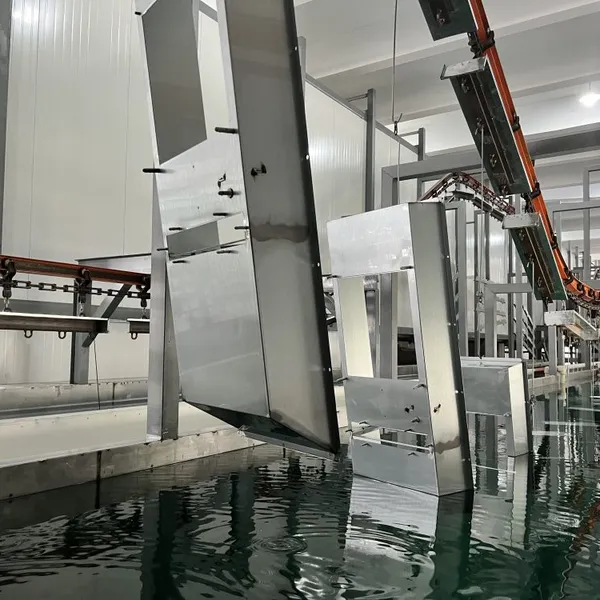
Pretreated parts enter a dip tank filled with a waterborne paint emulsion. A rectifier applies direct current between the part (anode or cathode) and counter-electrodes in the tank. Charged paint particles migrate to the metal surface, lose their charge, and deposit as a continuous film.
Cathodic electrocoating, where the part acts as the cathode, dominates automotive and industrial applications because it provides superior corrosion resistance compared to anodic systems.
3. Recovery Rinse
After deposition, parts leave the tank with a thin layer of uncured paint. An ultrafiltration system recovers this excess material, filtering it back into the dip tank. This reduces paint consumption and wastewater generation.
4. Pure Water Rinse
A final rinse with deionized or pure water removes residual solids and prepares the surface for curing. Water quality at this stage directly affects final film appearance and adhesion.
5. Curing
Parts enter a curing oven, typically heated to 160-200°C for 15-30 minutes depending on coating chemistry and film thickness. The heat cross-links the resin, producing a hard, chemically resistant finish.
Key Components of an Electrophoretic Coating Line
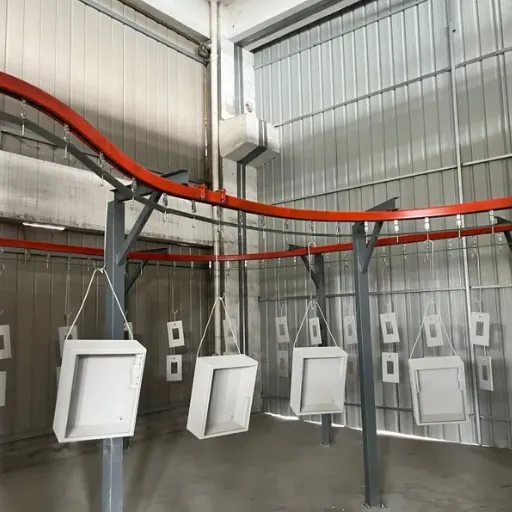
Each component must be sized and matched to your workpiece dimensions, daily output, and coating specification. Here is what procurement and engineering teams should evaluate.
Dip Tank and Rectifier
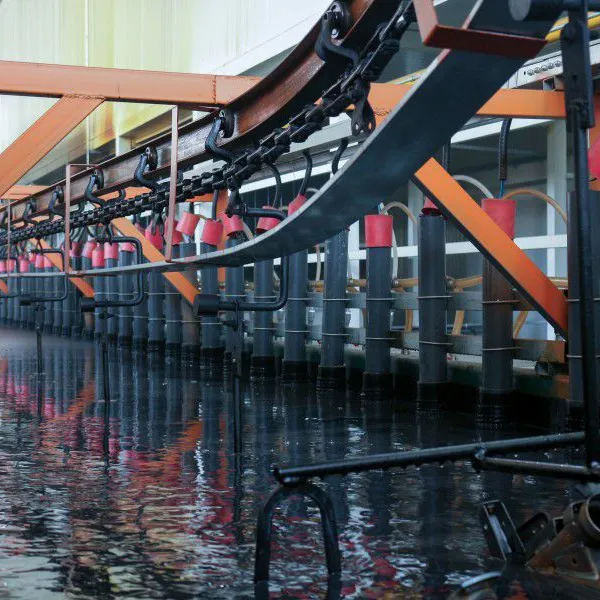
The tank holds the electrocoat bath and counter-electrodes. Tank dimensions determine the maximum workpiece size. The rectifier supplies controlled DC voltage and current, typically rated from hundreds to thousands of amperes depending on production volume and part surface area.
A well-designed tank includes:
Agitation system to maintain paint suspension
Cooling to stabilize bath temperature
Filtration to remove contaminants
Anode or cathode cell configuration based on process type
Ultrafiltration System
Ultrafiltration separates water, solvents, and dissolved salts from paint solids. It enables closed-loop rinse recovery and helps maintain consistent bath solids and conductivity. Without proper ultrafiltration, paint waste and water treatment costs rise quickly.
Conveying System
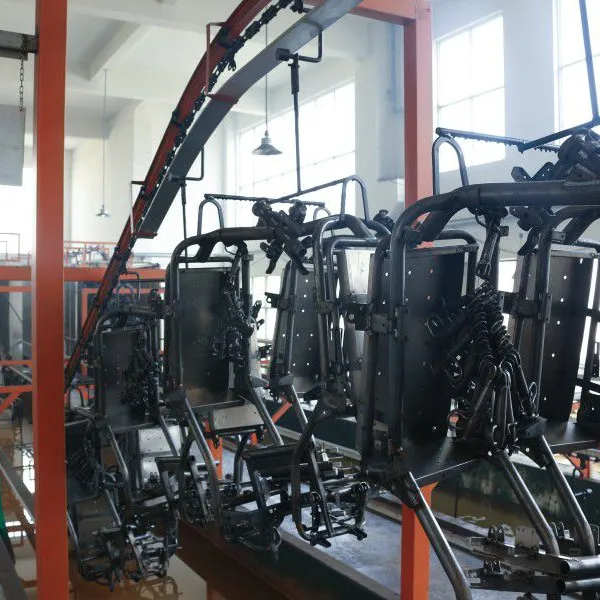
E-coat lines use overhead conveyor systems, ground conveyors, or transporter systems to move parts through immersion stages. The conveying path must allow complete drainage between stages to avoid carryover contamination. Programmable stop positions and variable speed control let operators adjust cycle times for different workpieces.
Curing Oven
Curing ovens for e-coat are typically bridge-type or tunnel-type units with thermal capacities ranging from 300,000 to 1,000,000 kcal. Electric, gas, oil, and steam heating options are available. Temperature uniformity within ±3°C ensures consistent cure across the full load.
Control System
Modern electrophoretic coating lines use PLC-based control with a touch-screen HMI. The system manages rectifier output, conveyor speed, tank temperature, oven profile, and safety interlocks. Remote monitoring and large-screen production displays are common upgrades.
Advantages of Electrophoretic Coating
Manufacturers choose e-coat when corrosion protection and coverage uniformity are non-negotiable. The main advantages include:
Complete coverage: Interior cavities, edges, and welded areas receive protective film.
Uniform film thickness: Automatic thickness control reduces manual touch-up and rework.
High material efficiency: Ultrafiltration recovery reclaims excess paint, lowering consumption.
Low VOC emissions: Waterborne formulations emit less solvent than conventional liquid paints.
Automated operation: Continuous lines reduce labor dependency and process variation.
Excellent corrosion resistance: E-coat primers consistently pass demanding salt-spray tests.
Scalable throughput: Lines can be sized from small-batch operations to high-volume automotive production.
E-Coat vs Powder Coating: Which Is Right for You?
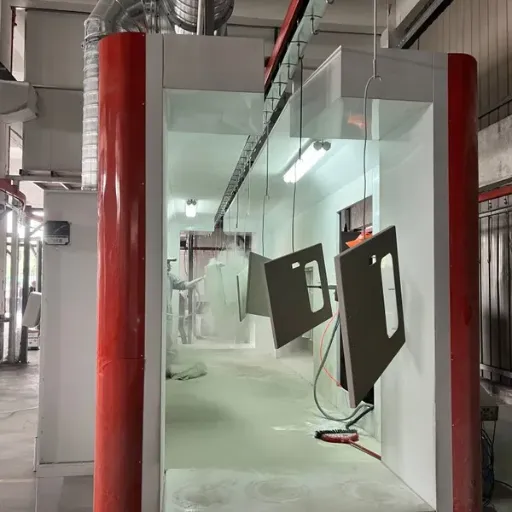
E-coat and powder coating are complementary rather than competing technologies in many plants. The right choice depends on your quality, geometry, and cost requirements.
| Factor | Electrophoretic Coating | Powder Coating |
|---|---|---|
| Coverage | Excellent on internal surfaces | Best on external surfaces |
| Typical use | Primer/corrosion barrier | Decorative topcoat |
| Film thickness | 15-35 microns typical | 40-120 microns typical |
| Edge coverage | Excellent | Good with proper grounding |
| Material efficiency | Very high with recovery | High with cyclone recovery |
| Color options | Limited, mostly primers | Wide color and gloss range |
| Workpiece size | Limited by tank dimensions | Limited by booth/oven size |
| Capital investment | Higher (tank, rectifier, ultrafiltration) | Moderate |
Many automotive and appliance manufacturers run both processes: e-coat first for corrosion protection, followed by powder coating for color and weathering performance. If your parts are simple panels or outdoor furniture with no hidden cavities, powder coating alone may be sufficient. If you produce chassis brackets, wheels, or structural components with complex geometries, e-coat is usually the better foundation.
Want a side-by-side comparison of both technologies? Read our guide on e-coat vs powder coating for decision frameworks by industry.
Industries and Applications
E-coat lines are found wherever metal parts face corrosive environments. Common applications include:
Automotive parts: chassis components, brackets, wheels, seat frames, fuel tanks
Appliances: washing machine drums, refrigerator shelves, air-conditioner housings
Hardware: tools, locks, hinges, fasteners, brackets
Electric cabinets and enclosures: control boxes, switchgear, junction boxes
Agricultural and construction equipment: frames, guards, implements
Pipes and tubing: structural conduit, fluid lines
When the team at a Midwest automotive tier supplier switched from liquid primer to a cathodic e-coat line, their salt-spray failure rate on stamped brackets dropped by more than 60%. The immersion process reached interior flanges and weld zones that spray primers had consistently missed.
Designing an Electrophoretic Coating Line for Your Factory
A successful ED coating production line starts with accurate input data. Before requesting a quotation, gather the following information:
Workpiece dimensions: maximum length, width, height, and weight
Daily output target: pieces per shift or per day
Material substrate: steel, galvanized steel, aluminum, or cast iron
Existing contamination: oil, rust, mill scale, welding spatter
Coating specification: required film thickness, adhesion, and salt-spray hours
Factory layout: available floor space, ceiling height, utility locations
Energy preference: electric, gas, oil, or steam heating
Environmental requirements: wastewater treatment, emission limits
Tank Sizing
The dip tank must accommodate your largest workpiece with adequate clearance on all sides. A common rule of thumb is at least 150-300 mm of clearance beyond the part envelope to allow uniform current distribution and drainage.
Cycle Time and Conveyor Speed
Line throughput is determined by the longest required process stage, usually the e-coat deposition time or curing oven dwell time. Calculate conveyor speed so that parts remain in each stage for the specified duration.
Pretreatment Matching
Aluminum parts may need chromate-free conversion coatings or zirconium-based pretreatments. Steel parts often benefit from zinc or iron phosphating. Matching pretreatment chemistry to the substrate and contamination type is essential for adhesion and corrosion performance.
Energy Selection
Gas-fired curing ovens generally offer lower operating costs where natural gas is inexpensive. Electric ovens provide cleaner operation and simpler installation where gas infrastructure is limited. Steam heating may be economical if your plant already has a steam supply.
Common Mistakes to Avoid
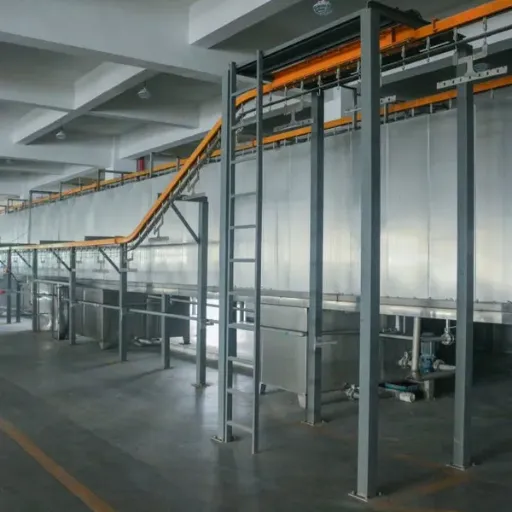
Even experienced finishers can run into problems when installing a new e-coat line. Watch for these pitfalls:
Undersized tank: Forces operators to coat large parts in multiple dips, reducing throughput and consistency.
Inadequate pretreatment: Causes adhesion failures that no amount of e-coat voltage can fix.
Poor drainage design: Leads to carryover contamination between rinse stages.
Inconsistent rectifier control: Produces uneven film thickness and orange peel.
Neglecting bath maintenance: Solids, pH, and conductivity drift affect deposition quality over time.
A Southeast Asian appliance manufacturer learned this lesson the hard way. Their first e-coat line used a pretreatment stage designed for lightly oiled steel, but their supplier began shipping parts with heavier rust-inhibitor residues. Within three months, adhesion failures spiked. Upgrading to a heavier-duty degreasing and phosphating stage solved the issue and restored first-pass yield.
Maintenance and Quality Control
Routine monitoring keeps an electrophoretic coating line running at specification. Key control points include:
Bath solids, pH, and conductivity
Tank temperature and ultrafiltration flux
Rectifier voltage and current output
Oven temperature profile and uniformity
Pretreatment chemistry concentration and contact time
Film thickness and adhesion test results
Schedule daily checks for bath parameters and weekly audits of film thickness, gloss, and adhesion. Track trends rather than single measurements. A gradual drift in bath solids is easier and cheaper to correct than a sudden quality excursion.
Conclusion
An electrophoretic coating line is one of the most reliable ways to protect metal parts from corrosion, especially when complex geometries and hidden surfaces must meet strict quality standards. The combination of immersion application, electrical deposition control, and closed-loop recovery makes e-coat both precise and efficient.
Before investing, define your workpiece envelope, throughput target, substrate, and quality specification. Match pretreatment and curing systems to these inputs. Consider whether e-coat alone meets your needs or whether a powder topcoat will complete the finish.
Key takeaways:
E-coat provides uniform coverage on external and internal surfaces.
Cathodic electrocoating is the dominant choice for automotive and industrial corrosion protection.
A complete line includes pretreatment, dip tank, rectifier, ultrafiltration, rinse, and curing oven.
Ultrafiltration recovery and automated controls keep operating costs under control.
E-coat and powder coating are often used together: e-coat for primer protection, powder for color and durability.
If you are planning a new electrophoretic coating line for automotive parts, appliances, hardware, or electric cabinets, our engineering team can prepare a custom layout and quotation based on your workpiece specifications. Contact us to request a free design drawing and turnkey project proposal.
Recently Posted
-
Conveyor Speed Calculation for Coating Lines: A Complete Guide
June 26, 2026Last March, a hardware manufacturer in Ningbo raised the chain speed on its powder coating line by 15% to clear a backlog. Three d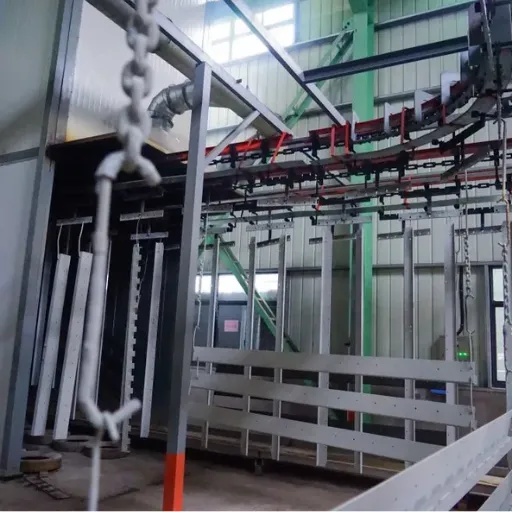 Read More
 -
Conveyor Line Design: A Complete Engineering Guide for Coating Lines
June 26, 2026Last autumn, a hardware manufacturer in Vietnam commissioned a new powder coating line. The pretreatment tunnel, cyclone-recovery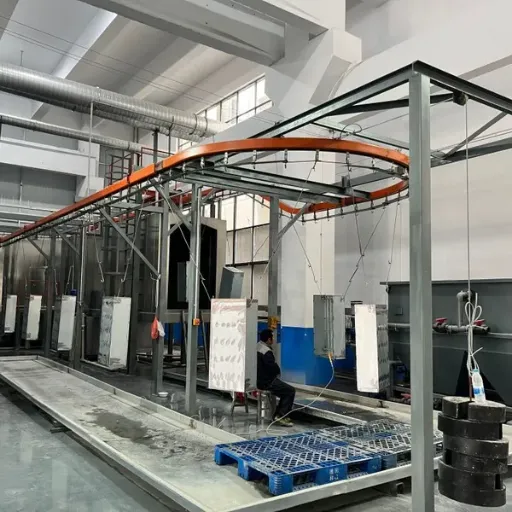 Read More
 -
Overhead Conveyor System: Engineering Guide for Coating Lines
June 26, 2026Last autumn, a hardware manufacturer in Ningbo faced a familiar problem. Their new powder coating line had to fit inside a buildin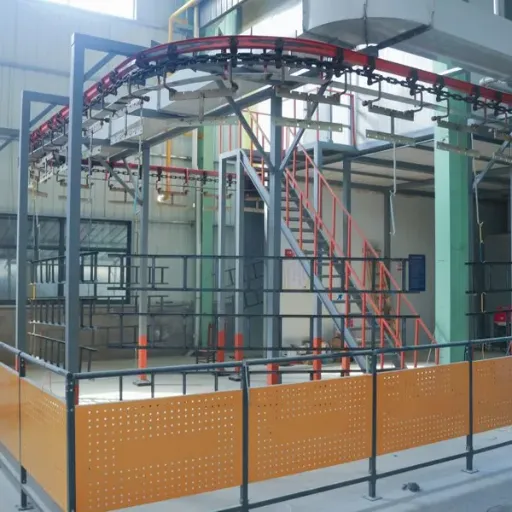 Read More
 -
Industrial Paint Booth: A Complete Engineering Guide for Manufacturers
June 26, 2026When Mike Chen expanded his metal furniture factory in Zhejiang Province last spring, he assumed the new spray area would solve hi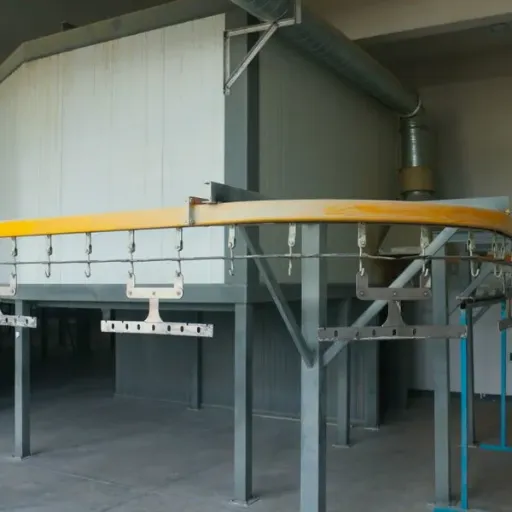 Read More

Contact Us
Recommended Products
-
 Industrial Custom Spray Coating Line for Hardware Anti‑Corrosion TreatmentNegotiableMOQ: 1 Set
 -
Industrial Electrophoresis Line for Metal Water Pump Workpieces ProcessingNegotiableMOQ: 1 Set
-
Custom E‑Coating Production Line for Water Pump Parts Surface FinishingNegotiableMOQ: 1 Set
-
China OEM Custom E-Coating Machine and Cathodic Electrophoresis Production LineNegotiableMOQ: 1 Set
-
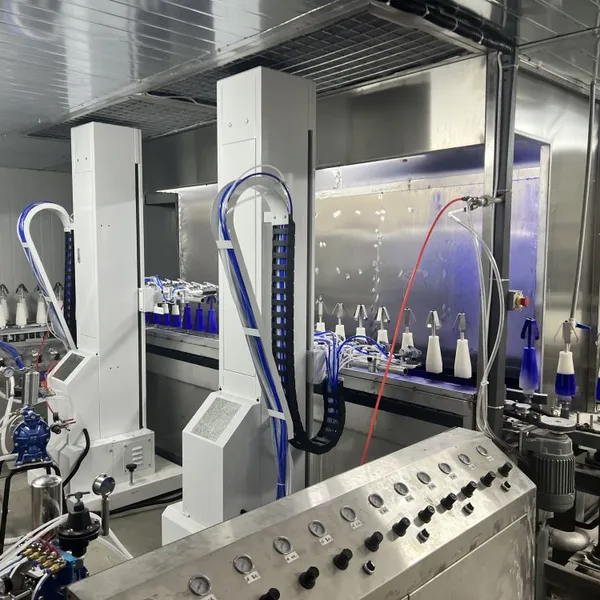
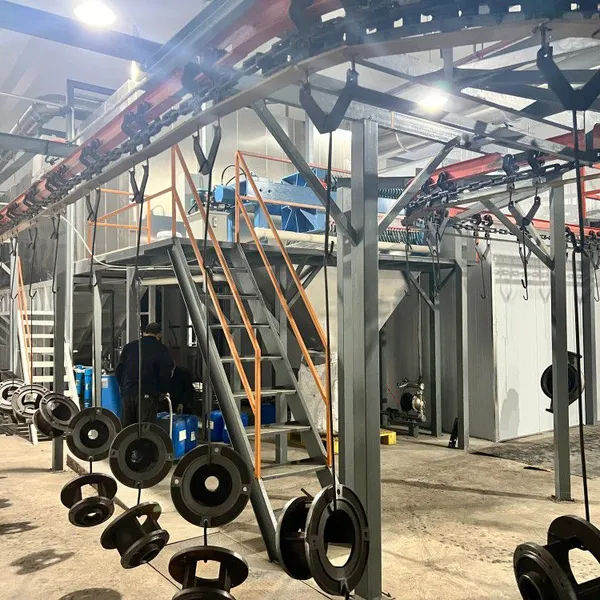
Industrial Electrophoretic Coating Line With Custom Design for Metal WorkpiecesNegotiableMOQ: 1 Set
-
Intelligent Automated Electrophoretic Coating Line for Powder Coating Production EquipmentNegotiableMOQ: 1 Set
-
Full Automatic Custom Electrophoretic Coating Line for Industrial Metal ComponentsNegotiableMOQ: 1 Set
-
Heavy‑Duty Continuous Powder Coating Line for Big Cabinet Anti‑Corrosion FinishingNegotiableMOQ: 1 Set
-
Energy‑Saving Powder Coating Line for Large Industrial Cabinet Surface ProtectionNegotiableMOQ: 1 Set
-
Environmental Friendly Powder Coating Line With High Recovery for Large CabinetsNegotiableMOQ: 1 Set
-
Large Manual Industrial Curing Oven for Metal Powder Coating MachineryNegotiableMOQ: 1 Set
-
Industrial Plastic Drying Oven With PLC Control and 304 Stainless Steel HopperNegotiableMOQ: 1 Set
-
High Efficiency Plastic Raw Material Dryer for Plastic ProcessingNegotiableMOQ: 1 Set
-
Compact E-Coating System for Small Metal Components in Automotive & Medical Device ProductionNegotiableMOQ: 1 Piece
-
Gantry Transport Type Electrophoretic Coating Line for Industrial WorkpiecesNegotiableMOQ: 1 Set
-
Custom Gantry Electrophoretic Coating Line for Automotive Component FinishingNegotiableMOQ: 1 Set
-
Large Workpiece Stainless Steel Manual Powder Spray Booth With Ventilation SystemNegotiableMOQ: 1 Set
-
Large Capacity Stainless Steel Manual Powder Spray Booth With Powder Recovery SystemNegotiableMOQ: 1 Set
-
Automatic Large Workpiece Powder Spray Booth for Metal FabricationNegotiableMOQ: 1 Set
-
Powder Spraying Room With Stainless Steel Frame and PLC ControlNegotiableMOQ: 1 Set